
02 August 2026
What to Expect at Your First Track Day: A Complete Walkthrough
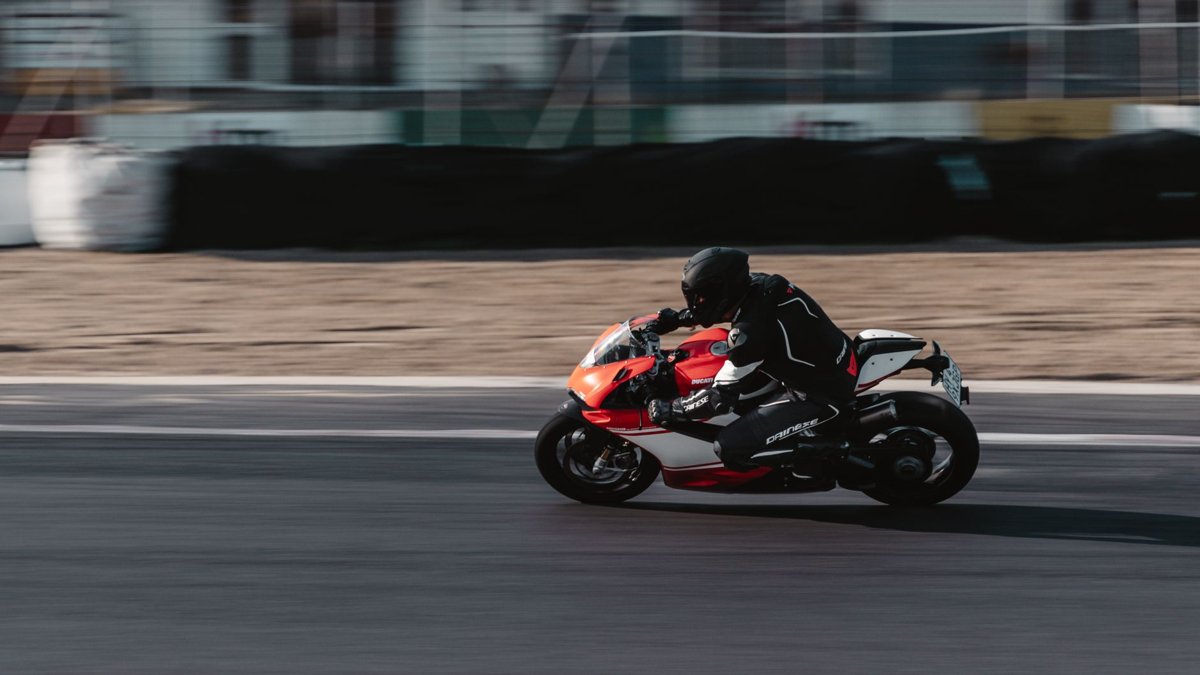
At your first track day you’ll arrive early, sit through a compulsory safety briefing, get your car or bike checked over (scrutineering), and then head out in sessions grouped by experience. There’s no racing, no timing pressure, and no minimum pace — the day is about learning the circuit and building confidence at your own speed. Below is the full run-through, hour by hour, so nothing catches you out.
The day starts earlier than you think
Most UK track days run gates open from around 07:00–07:30, with the driver briefing at 08:30–09:00 and cars on track from 09:00. That early start exists for a reason: sign-on, scrutineering and the briefing all have to happen before anyone turns a wheel, and a queue of 60 cars takes time to process.
Plan to arrive at least 45 minutes before the briefing. Turning up late often means you miss the briefing entirely — and missing it means you don’t drive. It’s non-negotiable at every reputable organiser.
Bring your driving licence (you’ll need it to sign on), your booking confirmation, and cash or card for any on-the-day extras like garage hire or passenger wristbands.
Sign-on, scrutineering and noise testing
When you arrive you’ll sign on at the organiser’s desk, hand over your licence, sign a disclaimer and collect your wristband and a sticker or number for your vehicle. This is also where you confirm which run group you’re in.
Scrutineering is a basic safety check, not an MOT. A marshal will look for:
- No loose items in the cabin or boot — empty everything out, including the parcel shelf, loose change and phone mounts.
- Battery secured and no significant fluid leaks.
- Tyres and brakes with legal, sensible amounts of tread and pad material.
- Wheel nuts torqued and, on some bikes, safety wiring or lock-wire where required.
Many circuits also run a static noise test. This is a big one to check before you book: limits vary from a tight 92 dB(A) at strict venues to 105 dB(A) or more at open days. If your car or bike is loud, use our search to filter track days by noise limit before you commit — turning up and being turned away on noise is a wasted day and a wasted entry fee.
The driver briefing: pay attention here
The briefing is compulsory and it’s where you learn how the day actually runs. Expect to cover:
- Flag signals — yellow (hazard, no overtaking), red (session stopped, come in slowly), blue (faster car behind, let it past), chequered (session over), and the black flag (come to the pits, they want a word).
- Overtaking rules — nearly always overtaking on designated straights only, with the slower driver indicating or the faster driver waiting for a clear point-by. This is the single most important rule for a safe, friendly day.
- Pit lane procedure — the speed limit, where to enter and exit, and how to rejoin the circuit safely.
- Track limits — where the kerbs and run-off are, and which corners bite.
If anything is unclear, ask. Instructors and marshals would far rather answer a question in the paddock than deal with an incident on track.
Run formats: sessioned vs open pitlane
How much track time you get depends on the format. The two you’ll meet most often are sessioned and open pitlane.
| Format | How it works | Best for |
|---|---|---|
| Sessioned | Cars split into groups (e.g. novice, intermediate, advanced). Each group gets fixed slots, typically 15–20 minutes, rotating through the day. | First-timers — you drive with similar experience levels and get natural rest breaks. |
| Open pitlane | Pit lane stays open; you go out and come in whenever you like, subject to a maximum number of cars on track. | More experienced drivers who want flexible time and quieter track periods. |
As a beginner, a sessioned track day is usually the friendlier choice — you’re grouped with drivers of similar pace and you get regular breaks to cool the car and your head. If you want to understand the alternative, our guide to open pitlane days explains who they suit.
Your first laps: what it actually feels like
The first session is almost always slower than you expect, and that’s correct. Use it to learn where the circuit goes — braking markers, apex points, where the track climbs, dips or goes blind. Don’t chase pace on lap one.
A few things that surprise most first-timers:
- Tyres and brakes get hot fast. Road tyres can go greasy after a few hard laps, and brake fade is real. Build up gradually and do a cool-down lap before you pit.
- It’s mentally tiring. 20 minutes of concentration is far more draining than a motorway drive. Take the breaks seriously — drink water, sit down.
- Everyone was a beginner once. The paddock is generally welcoming. Nobody is judging your lap times on your first day.
Should you book an instructor?
For a first day, yes — one or two sessions of tuition is the best money you’ll spend. Most organisers offer instructors (often ARDS-qualified) on the day for roughly £25–£40 per 20-minute session. A good instructor sits in the passenger seat, shows you the racing line, corrects your braking points and stops you developing bad habits from lap one.
Book instruction when you arrive, or in advance if it’s offered — popular days sell out of instructor slots early.
What to bring and how to prepare the car
You don’t need a race car or a trailer of spares. A well-maintained road car and sensible prep will get you through a first day comfortably.
- Helmet — most organisers hire them for around £10–£20 if you don’t own one. Check the venue’s standard before you rely on a hire.
- Tyre pressure gauge — pressures rise as tyres heat up; you’ll want to check and adjust between sessions.
- Basic tools — a torque wrench for wheel nuts, cable ties, tape.
- Fluids and drinks — top up oil and coolant, and bring water and food for yourself.
- Fuel — track driving drinks fuel. Arrive full and know where the nearest station is.
- Long-sleeved top and closed shoes — required at most venues.
Check tyre tread, brake pads and pad material, and that there are no fluid leaks a few days before, not on the morning. If you’re planning to build a car specifically for track and eventual club racing, our friends at GMR have a solid primer on building a reliable, repeatable engine.
Choosing the right first circuit
Not all circuits suit beginners equally. Flowing, forgiving layouts with generous run-off are far less intimidating than tight tracks lined with barriers. Our guides to the best track days for beginners and the wider beginner track day process cover which UK venues to start at and how to get booked in.
Popular days sell out weeks ahead. Set up availability alerts so you’re notified the moment a space or price drop appears, and book early.
Frequently asked questions
Do I need a special licence for a track day?
No. A standard full UK driving licence is enough for the vast majority of car track days, and a full bike licence for bike days. Track days aren’t races, so no competition licence is required. You’ll just need to bring the physical licence to sign on.
Will my insurance cover a track day?
Standard road insurance almost never covers on-track driving. Some policies explicitly exclude it. You can buy dedicated track day insurance (“on-track” cover) per event, which typically costs a percentage of your car’s value. It’s optional but worth considering for a valuable car.
How fast do I have to go?
As fast or as slow as you’re comfortable with. There’s no minimum pace and no timing. Faster drivers overtake only at designated points, so you’re never obliged to push beyond your limits. Building up gradually is exactly what instructors want to see.
What happens if it rains?
Track days run in the wet — they’re rarely cancelled for weather. Wet running is actually excellent for learning car control at lower speeds. Slow down, brake earlier and in a straight line, and treat it as a bonus lesson rather than a washout.
The bottom line
Knowing what to expect at your first track day removes almost all the nerves: arrive early, listen in the briefing, respect the overtaking rules, build up gradually and book an instructor. Do that and you’ll come away hooked, safe and quicker than you started. Compare dates, prices and noise limits across UK and European circuits on Trackday Finder — and book early, because the good beginner-friendly days go first.
Related: Track Day Insurance UK: What It Covers, What It Costs and How to Get It
Related: Track Day Car Prep: The Complete Pre-Event Checklist
Looking for a date? Browse every UK & European trackday or get email alerts when new ones appear.