
31 July 2026
Sessioned Track Days UK: How the Format Works and Who It Suits
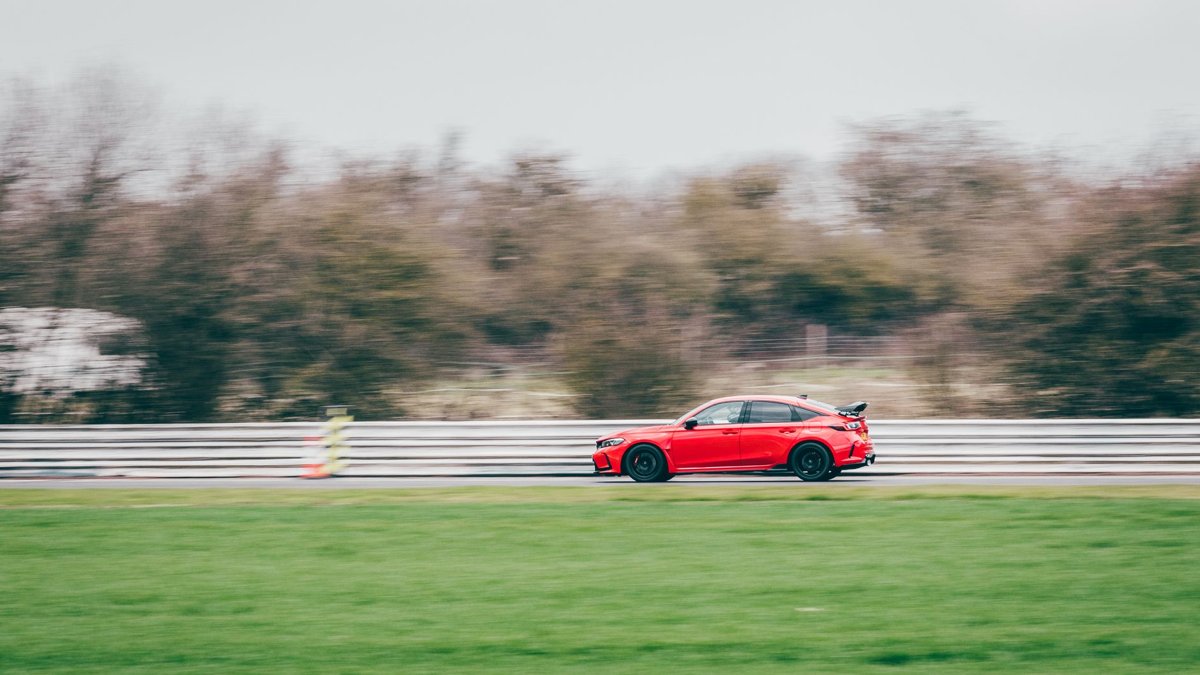
A sessioned track day splits the day into timed run groups, so instead of the pit lane being open all day, you drive in fixed slots — typically 15 to 20 minutes at a time — while the other groups wait in the paddock. Most sessioned track days in the UK run three or four groups on a rotation, giving each driver roughly 60 to 90 minutes of total track time across the day. It is the most common format at busy circuits and the one most novice-friendly days use, because it controls how many cars are on track at once.
If you are weighing up a sessioned track day against the alternative — open pitlane — the difference comes down to how track time is managed, how busy the circuit feels, and how much control you have over when you drive. Below is exactly how the format works, what you get for your money, and who it suits.
How sessioned track days work
On arrival you sign on, have your car noise-tested, and attend a compulsory drivers’ briefing. You are then allocated to a run group — often by experience (novice, intermediate, advanced) or simply by colour (red, white, yellow, blue). The day is then a rotation: your group runs, comes in, and the next group goes out.
A typical structure looks like this:
| Element | Typical detail |
|---|---|
| Session length | 15–20 minutes |
| Number of groups | 3–4 |
| Total track time per driver | 60–90 minutes |
| Track hours | 09:00–17:00 (often with a lunch break) |
| Sessions per group | 5–8 across the day |
The main practical upside is that the track is never rammed. With one or two groups sitting out at any time, you are sharing the circuit with fewer cars, which means cleaner laps, fewer traffic jams behind slower cars, and more room to work on a corner. The trade-off is obvious: you spend a chunk of the day waiting in the paddock.
Session vs open pitlane at a glance
| Sessioned | Open pitlane | |
|---|---|---|
| When you drive | Fixed timed slots | Whenever you like |
| Cars on track | Fewer (one group at a time) | Potentially all of them |
| Total track time | Fixed, guaranteed slot | Depends on you and your car |
| Best for | Novices, coaching, cooling laps | Regulars managing tyres/fuel |
For a deeper look at the alternative, see our guide to open pitlane track days and who they suit.
Who sessioned track days suit
The format leans towards structure, and that structure benefits some drivers more than others.
- First-timers and novices. Being grouped by experience means you are not being swallowed by a 500bhp GT3 car on your first lap out. Novice groups are calmer, and the enforced breaks give you time to digest each session before heading back out.
- Drivers taking instruction. Sessioned days pair naturally with tuition — you drive, come in, debrief with your instructor, then apply it next session. Open pitlane makes that rhythm harder.
- Anyone managing car temperatures. The forced cool-down between sessions is a genuine benefit for road cars, brakes and tyres that were never designed for continuous track abuse.
- Bikes. Sessioned formats dominate bike track days, almost always split into novice, intermediate and fast groups. If you ride, expect this as standard — see how car and bike track days differ.
Open pitlane tends to suit experienced regulars who know how to pace themselves, manage fuel and tyre loads across a day, and would rather choose their own moments to avoid traffic. If that is you, the waiting around on a sessioned day can feel like dead time.
What sessioned track days cost in the UK
Price depends far more on the circuit, the date and how full the day is than on the format itself. As a rough guide for UK car track days:
| Circuit tier | Typical sessioned day price |
|---|---|
| Smaller / club circuits (e.g. Llandow, Blyton Park) | £99–£169 |
| Mid-tier (e.g. Cadwell Park, Snetterton, Donington) | £169–£249 |
| Premium (e.g. Silverstone GP, Brands Hatch GP) | £249–£399+ |
Midweek dates are almost always cheaper than weekends, and quieter winter dates can drop below those ranges. Because sessioned days cap numbers per group, popular circuits do sell out — so book early, or set up alerts. Our guide to track day availability alerts covers how to get notified before spaces disappear, and if you are chasing a bargain, last-minute cancellation spaces can shave a lot off the price.
How to get the most from a sessioned day
- Be ready before your group is called. Helmet on, belts done, car warm. Faffing in the paddock burns into your own track time, not anyone else’s.
- Use the downtime. Review data or dashcam footage, check tyre pressures hot, and let brakes cool with the car rolling rather than sat static.
- Do a cool-down lap. When the session ends, back off for the final lap to bring temperatures down before you park up.
- Learn your group’s pace. If you are consistently faster than your group, ask about moving up. If you are being caught constantly, hold your line and use your mirrors — let faster cars past on the straights.
- Check the noise limit before you book. Sessioned days are often at circuits with strict static and drive-by limits. Our noise limit by circuit guide explains how testing works and how to avoid a black flag.
Finding sessioned track days across the UK
Most organisers label the format clearly in their listing, either “sessioned”, “open pitlane”, or occasionally a hybrid where the day starts sessioned for the sighting laps then opens up. On TrackdayFinder you can filter more than 1,800 events by circuit, date, price and noise limit, then compare organisers running the same date so you can see which format each is offering. The listing links straight out to the organiser to book.
If you are willing to travel, the sessioned format is just as common in Europe — from French circuits to Spa-Francorchamps — though the Nürburgring Nordschleife’s tourist days are a different beast entirely.
Frequently asked questions
How much track time do you get on a sessioned track day?
Typically 60 to 90 minutes in total, split across five to eight sessions of 15 to 20 minutes each. The exact figure depends on how many groups run and how tightly the day is scheduled. It is less continuous driving than open pitlane, but the track is quieter when you are out.
Is sessioned or open pitlane better for beginners?
Sessioned. Being grouped with drivers of similar experience, plus the built-in breaks to reset and (if you have booked it) debrief with an instructor, makes a sessioned day far less intimidating for a first-timer than an open pitlane free-for-all.
Can you move up a group during the day?
Usually yes. If you are comfortable and consistently quicker than your group, speak to the organiser or chief instructor — many will move you up if there is space. Equally, they can move you down if you are struggling with the pace.
Do sessioned track days sell out?
Frequently, because numbers per group are capped to keep the track clear. Popular circuits and weekend dates go first. Book early, or set an availability alert so you are notified the moment a space opens up.
Related: What to Expect at Your First Track Day: A Complete Walkthrough
Related: Track Days This Weekend: How to Find and Book Last-Minute Spaces
Looking for a date? Browse every UK & European trackday or get email alerts when new ones appear.