
05 July 2026
Best Track Days for Beginners: How to Pick a First Circuit Day That Won't Overwhelm You
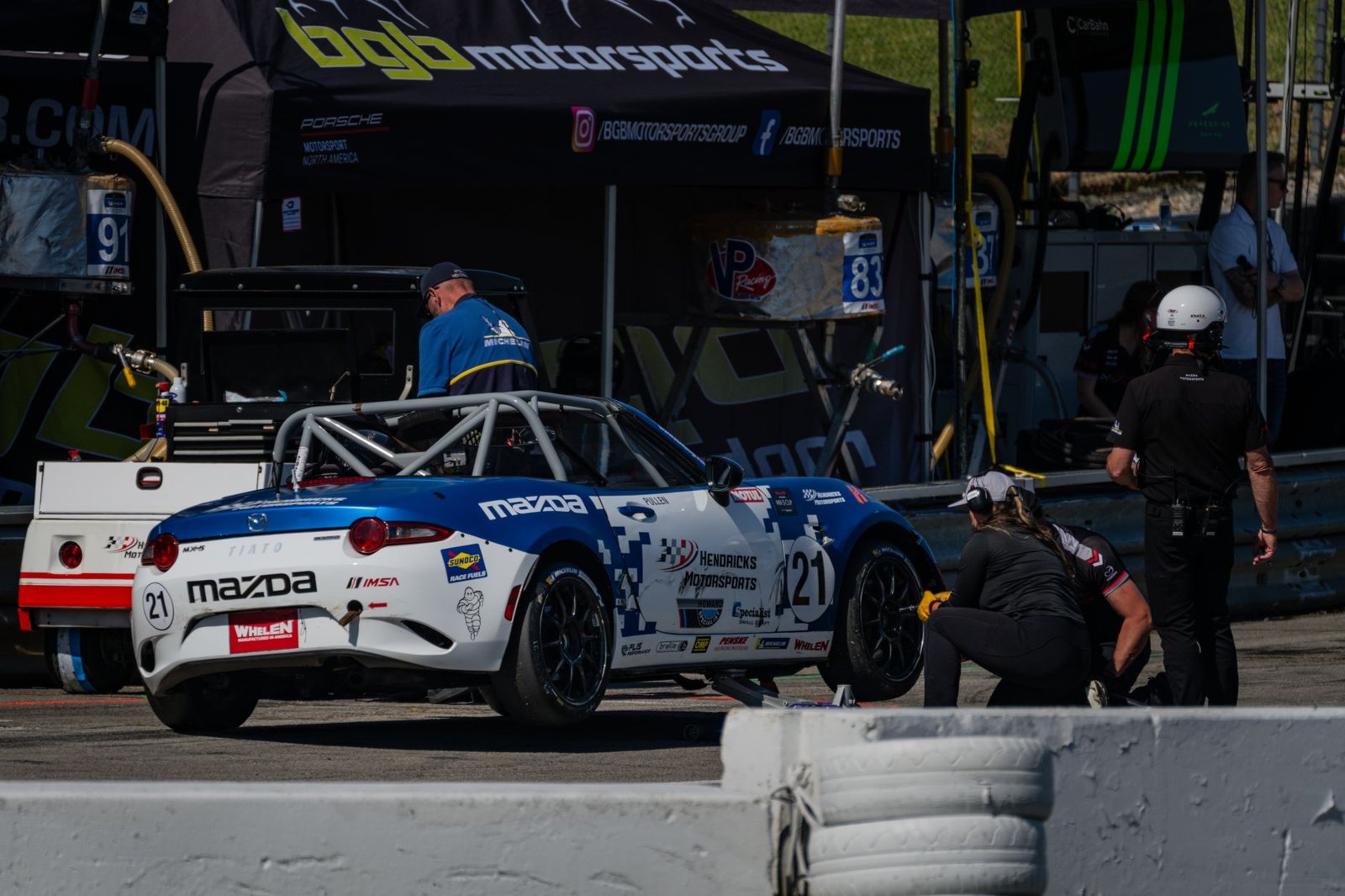
Booking your first track day is a bit like a first ride on a big rollercoaster: you want the thrill, but you don’t want to be terrified before you’ve even set off. The good news is that the UK and Europe have plenty of genuinely beginner-friendly circuit days — the trick is knowing what to look for. This guide covers the best track days for beginners, from the format and circuits that suit newcomers to what it costs, what you’ll need, and how to get booked in without stress.
We run one of the largest track day databases around, with over 1,800 car and bike events listed, so we see exactly which formats fill up with first-timers and which are strictly for the seasoned crowd. Here’s how to choose well.
What makes a track day beginner-friendly?
Not all track days are created equal. A “novice” or “beginner-friendly” event is usually defined by three things:
- Sessioned running (not open pit lane). Beginners are grouped together and sent out in timed sessions — typically 15–20 minutes on, then a rest. This keeps faster, more experienced drivers out of your mirrors while you learn the lines.
- Compulsory briefings and sighting laps. A proper safety briefing plus a few slow laps behind an instructor to learn the circuit before you push on.
- Instruction available. Many days offer free or low-cost tuition, often with an instructor sitting in your passenger seat. For a first day, this is the single most valuable thing you can book.
Avoid “open pit lane” days for your first outing. They’re brilliant value and great fun once you know what you’re doing, but the mix of speeds and the free-for-all nature can be daunting when you’re still finding your feet. Our guide to novice track days in the UK goes deeper on the formats and how to get booked in.
The best circuits for beginners in the UK
Circuit choice matters more than most first-timers realise. You want somewhere with generous run-off, forgiving corners, decent visibility and — ideally — a layout that’s easy to learn. A few that consistently suit newcomers:
Donington Park
A firm favourite for first days. The flowing layout is rewarding but not intimidating, sight lines are good, and the mix of corner types teaches you a lot without a single terrifying moment. Read our full rundown of Donington Park track days for costs and noise limits.
Snetterton
Wide, open Norfolk circuit with plenty of run-off and space to make mistakes safely. The 300 layout is long enough to feel like a proper challenge while staying approachable. See our Snetterton track days guide.
Oulton Park
A more technical, undulating circuit — arguably better as a second or third outing rather than your very first, but hugely rewarding once you’ve got a day or two under your belt. Details in our Oulton Park guide.
As a rule of thumb, start somewhere wide and flowing, then graduate to the tighter, more technical circuits as your confidence grows.
What does a beginner track day cost?
Prices vary by circuit, operator and time of year, but as a rough guide for cars:
- Sessioned novice car day: around £150–£250.
- Premium circuits (Silverstone, Brands Hatch GP): £250–£400+.
- Instructor tuition: £30–£40 per 20–30 minute session, sometimes included free.
- Bike track days: often £120–£220 depending on circuit and group structure.
Midweek dates are almost always cheaper than weekends, and winter dates cheaper still (if you don’t mind cold tyres and short daylight). If budget is your main concern, our guide to finding cheap track days without the catch explains how to spot genuine value versus a false economy. A word of warning: don’t chase the cheapest date if it means an open pit lane format on a tricky circuit for your first go.
What you’ll need on the day
For a car track day, the requirements are refreshingly simple:
- A roadworthy car. Any reliable car will do — you don’t need a track special. Check tyres, brake pads and fluids beforehand.
- A helmet. Most operators hire them for around £10–£20 if you don’t own one. Long sleeves and trousers are usually required.
- A valid driving licence and, occasionally, proof of insurance (standard road policies typically don’t cover track use — check for optional track day cover).
- Fluids and snacks. You’ll be concentrating hard; stay hydrated and fed.
Bikers have more kit to sort — full leathers, back protector, and machine prep like taped lights and lock-wired fasteners at some venues. Our motorcycle track days guide and bike track days guide cover the kit and noise rules in full.
Noise limits: check before you book
Most UK circuits enforce static and drive-by noise limits, commonly in the 98–105 dB range. Standard road cars sail through, but modified cars with aftermarket exhausts can get black-flagged. If your car is loud, filter for higher noise limits when searching — it saves a wasted trip. Every listing in our database shows the noise limit up front so you can compare at a glance.
Getting the most from your first day
- Book tuition. A good instructor will shave minutes off your learning curve and, more importantly, teach you to be smooth and safe.
- Build up gradually. Use the early sessions to learn the lines, not to chase speed. Pace comes naturally.
- Leave margin. Braking earlier than you think you need to is how everyone starts. Ego is the most expensive thing you can bring to a circuit.
- Watch your temperatures. Give the car a cool-down lap before coming in, and keep an eye on brakes and tyres.
If you catch the bug — and most people do — you might eventually look at reliability upgrades or engine work to cope with sustained track use. When you get to that stage, a specialist like GMR’s guide to high-performance engine components is worth a read. But for a first day, a standard, well-maintained car is all you need.
Ready to travel? Consider Europe later
Once you’ve a few UK days behind you, the great European circuits — Spa-Francorchamps, the Nürburgring, and more — beckon. They’re not the place to start as a total beginner, but they’re a brilliant goal to work towards. See our European track days guide when you’re ready.
FAQ
What is the best track day for a complete beginner?
A sessioned novice car day at a wide, flowing circuit like Donington Park or Snetterton, with instructor tuition booked. That combination gives you the safest, most structured introduction and the fastest learning curve.
Do I need a special car for my first track day?
No. Any reliable, roadworthy car will do — check tyres, brakes and fluids beforehand. Beginners learn far more in a modest car driven smoothly than in a powerful one driven nervously.
How much should I budget for a beginner track day?
Expect roughly £150–£250 for a sessioned novice car day in the UK, plus £30–£40 per session if you add instruction and £10–£20 for helmet hire. Midweek and winter dates are noticeably cheaper.
Is my car insured on track?
Standard road policies usually don’t cover track use. Some insurers offer optional track day cover, or you can buy standalone track day insurance per event. Always check before you go out.
Use our search to filter by circuit, date, price and noise limit, and set up alerts for price drops and sell-outs. Beginner-friendly dates fill fast — book early to get the session and tuition you want. Start your search on TrackdayFinder.
Related: Spa Track Day Prices: What You Actually Pay to Lap Spa-Francorchamps
Looking for a date? Browse every UK & European trackday or get email alerts when new ones appear.