
12 August 2026
Track Day Car Prep: The Complete Pre-Event Checklist
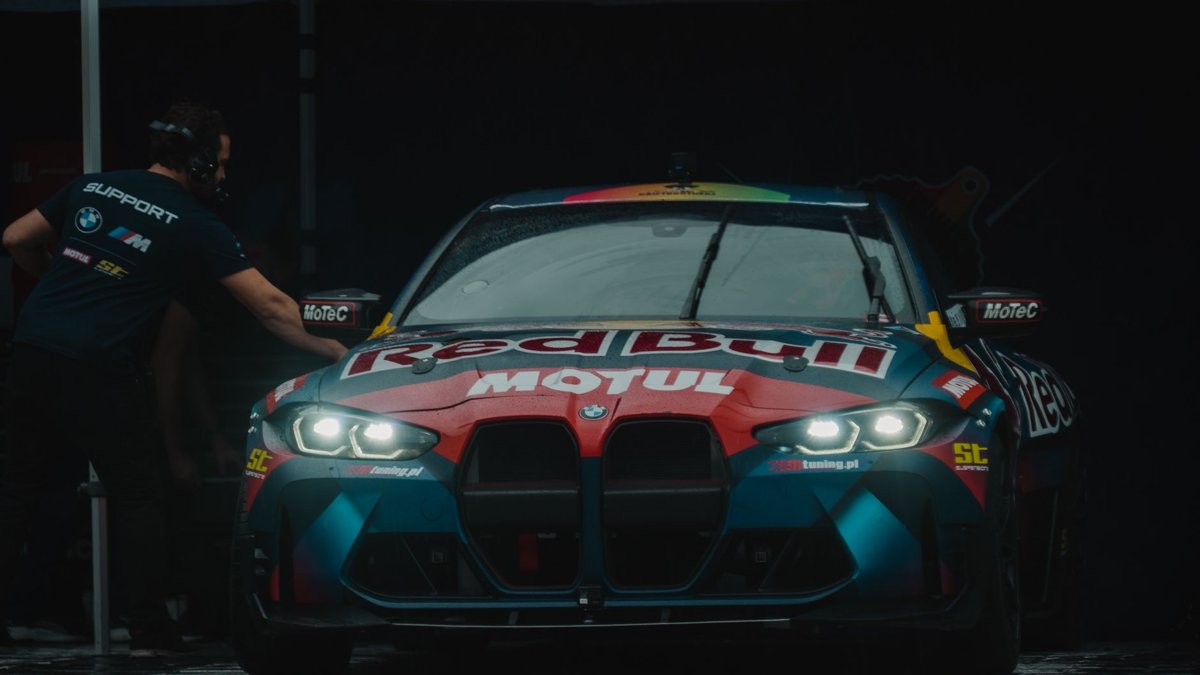
Preparing your car for a track day comes down to five systems: brakes, tyres, fluids, cooling and fasteners. Get those right and the day is about your driving. Get them wrong and you’ll either be black-flagged for a fluid leak, boiling your brakes into fade by session three, or trailering the car home. This guide walks through exactly what to check, when to check it, and what “track day vs trackday how to prepare car” actually means once you strip out the noise — because whether the organiser spells it “track day” or “trackday”, the prep is identical.
Track day vs trackday: is there any difference?
No. “Track day” and “trackday” are the same thing — two spellings for the same event, where you take your own car (or bike) onto a circuit for a day of laps, usually with no timing, no racing and no wheel-to-wheel contact permitted. UK organisers and circuits use both spellings interchangeably, so you’ll see “Silverstone track day” and “Bedford trackday” listed side by side. When you’re searching or comparing dates on TrackdayFinder, either term returns the same events.
What genuinely varies between events is the format — open pit lane versus sessioned — and the noise limit, which can range from a strict 87.5 dB(A) static at some circuits to 105 dB(A) at others. Neither of those affects how you prep the car mechanically, but the noise limit can stop you getting on track at all, so check it before you book.
Start 2–3 weeks out, not the night before
The single biggest mistake is leaving prep to the evening before. If you find worn pads or a weeping caliper the night before, you’re either not going or you’re driving on something you shouldn’t. Give yourself a fortnight so parts have time to arrive and get fitted.
A sensible timeline:
- 2–3 weeks out: Full inspection. Order any consumables (pads, fluid, tyres) now.
- 1 week out: Fit new parts, bed in brakes, do a shakedown drive.
- Night before: Empty the boot, check tyre pressures cold, pack tools.
- At the circuit: Re-torque wheels, tape lights, final walkaround.
Brakes: your most-abused system on track
Road braking is occasional and light. Track braking is heavy, repeated and hot — you’ll use the brakes far harder than in any road driving. This is where cars fail first.
- Pads: You want at least 5–6 mm of material, and ideally a pad rated for track temperatures. Standard road pads can fade badly once they exceed their operating window. If your pads are half-worn, fit fresh ones and bed them in before the day.
- Brake fluid: This is non-negotiable. Old fluid absorbs moisture and boils, giving you a long or dead pedal mid-braking zone. Flush with fresh fluid rated to a high dry boiling point (DOT 4 as a minimum; a high-temperature racing fluid if you’re pushing hard) within a week or two of the day.
- Discs: Check for deep scoring, cracks and lip wear. Warped or cracked discs will only get worse under track heat.
- Flexible hoses: Look for perishing or bulging. Braided lines give a firmer pedal but stock rubber in good condition is fine for most.
If you only do one thing before a track day, change the brake fluid. Brake fade is the most common — and most alarming — first-timer problem.
Tyres and wheels
You don’t need track tyres for your first few days — good road tyres with plenty of tread will teach you plenty. What matters is condition and pressure.
- Tread and age: Even tread across the width, no cords showing, no cracking in the sidewall. Tyres over about six years old harden and lose grip regardless of tread.
- Pressures: Track use heats tyres and raises pressure by roughly 0.3–0.5 bar. Many drivers start a few psi below their road pressure cold and check hot in the pits. Note your hot pressures each session.
- Wheel torque: Torque the wheel nuts/bolts to the manufacturer figure with a torque wrench, and re-check after your first session on track.
Fluids, cooling and the engine bay
Sustained high revs and load generate far more heat than the road. Your cooling system needs to be in good order.
- Coolant: Correct level and mixture, no leaks, radiator not clogged with debris. Overheating will get you sent in.
- Engine oil: Level at the top of the range and reasonably fresh. Hard cornering can starve the pickup if the level is low, so err on the fuller side.
- Leaks: Any oil, coolant or fuel leak will earn you a black flag and a mop-up bill. Clean the underside so a fresh leak is obvious.
- Fuel: Turn up with a full tank; you’ll get through more than you expect.
If you’re getting seriously into it and looking at forced induction, cooling upgrades or engine work, the detail-level thinking in this piece on high-performance automotive engineering is worth a read — repeatability matters more than peak numbers on track.
Fasteners, suspension and the walkaround
Vibration and load find anything loose. Before you go:
- Check wheel bearings for play, and suspension for worn bushes, leaking dampers or split gaiters.
- Confirm nothing is loose under the bonnet — battery clamp, intake, undertrays.
- Make sure your seatbelt latches firmly and the seat is bolted down.
Pre-event car prep checklist
| System | Check | When |
|---|---|---|
| Brake fluid | Fresh, high boiling point, flushed | Within 1–2 weeks |
| Brake pads | 5–6 mm+, track-capable, bedded in | 1 week out |
| Discs & hoses | No cracks, scoring or perishing | 2–3 weeks out |
| Tyres | Even tread, sound sidewalls, correct age | 2–3 weeks out |
| Tyre pressures | Set cold, check hot in pits | Morning of / on track |
| Wheel torque | To spec, re-check after session 1 | Night before + on track |
| Coolant & oil | Correct level, no leaks | 1 week out + morning |
| Loose items | Boot and cabin emptied | Night before |
| Lights | Tape headlights/rear lights | At circuit |
What to pack
- Tyre pressure gauge and a way to adjust pressures
- Torque wrench and the correct socket
- Basic tools, cable ties, gaffer tape, spare fluids
- Litre of engine oil and coolant top-up
- Helmet (many organisers hire them; check first)
- Water, food and sun cover — days are long
If you’re brand new to all this, our complete walkthrough of your first track day covers sign-on, the noise test and the driver briefing. A low-cost taster session is also a smart way to learn what your car does under load before committing to a full day.
Don’t forget insurance and cover
Standard road policies almost never cover on-track incidents, even on a non-timed track day. Track day insurance (sometimes called “on-track” or “damage” cover) exists to fill that gap — worth understanding before you turn a wheel. See our guide to track day insurance in the UK for what it covers and roughly what it costs.
Frequently asked questions
Is a track day the same as a trackday?
Yes. They’re two spellings of the same event — driving your own car or bike on a circuit for the day, no racing or timing. UK organisers use both spellings, and searching either term brings up the same events.
Do I need to change my brake pads for a track day?
Only if they’re worn below roughly 5–6 mm or are a very basic road compound that fades quickly. Fresh brake fluid is far more important than new pads — always flush it before a track day.
Can I use my daily driver on a track day?
Absolutely, and most people do. A well-maintained standard road car with good tyres, sound brakes and fresh fluid is perfectly capable of a novice track day. Just do the checks above first.
How much fuel will I use?
Far more than on the road — expect to refuel during the day. Start full and locate the nearest petrol station before you arrive, as most circuits don’t sell fuel.
Book early, prep properly
Sound preparation turns a nerve-wracking first outing into a genuinely great day. Do the inspection two to three weeks out, prioritise brake fluid and tyres, and re-torque your wheels after the first session. When you’re ready to find a date, browse and compare events by circuit, price and noise limit on TrackdayFinder — and set an availability alert so you don’t miss the popular dates. Book early; the good days sell out.
Related: Car vs Bike on Track Day: Which Costs Less, Feels Faster and Suits You Best
Looking for a date? Browse every UK & European trackday or get email alerts when new ones appear.