
14 August 2026
Car vs Bike on Track Day: Which Costs Less, Feels Faster and Suits You Best
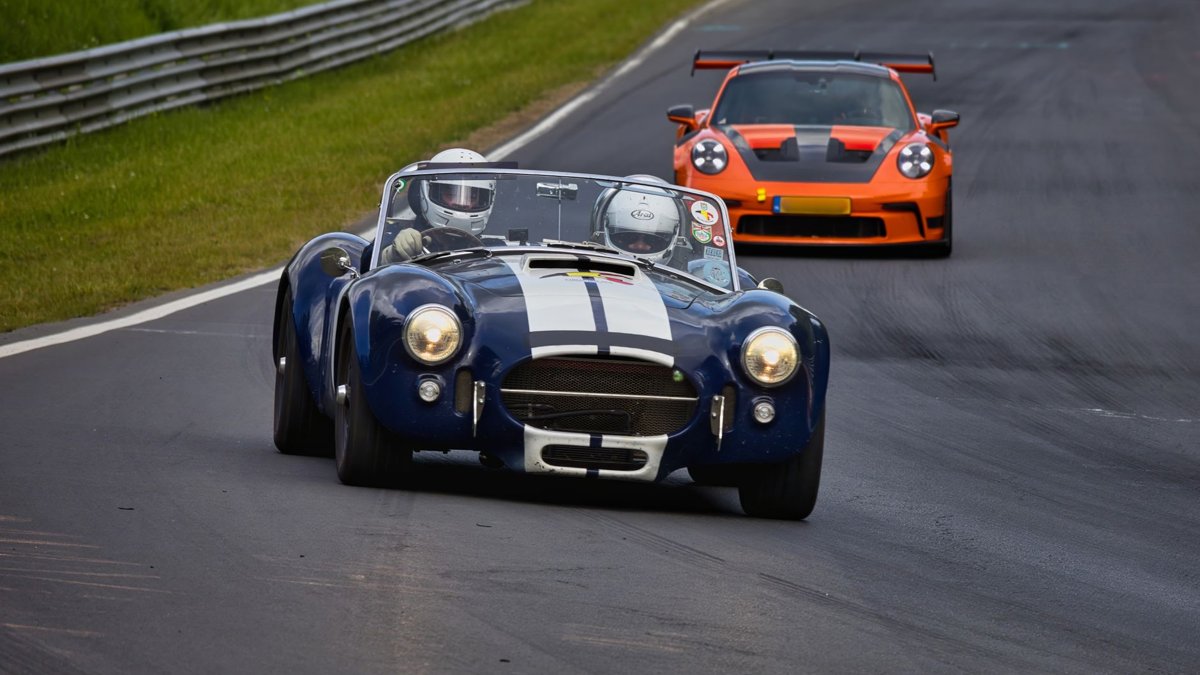
A car track day and a bike track day share a circuit but almost nothing else. The core differences come down to four things: cost per day (bikes are usually cheaper to enter but punishing on consumables), kit outlay (bike gear is a legal and safety requirement, car kit is largely optional), risk profile (a bike off tends to hurt the rider, a car off tends to hurt the car), and how they’re run (bike days are almost always split into speed-based sessions; car days are frequently open pit lane). Get those four straight and the car vs bike on track day decision usually makes itself.
Below is the practical breakdown — entry fees, running costs, kit, format and the honest pros and cons — so you can pick the right one for your budget, your nerve and the machine you already own.
Car vs bike on track day: the quick comparison
| Factor | Car track day | Bike track day |
|---|---|---|
| Typical entry fee | £150–£300 | £99–£220 |
| Run format | Open pit lane or sessioned | Sessioned by group (novice/inter/fast) |
| Mandatory kit | Helmet; often long sleeves | Full leathers, back protector, boots, gloves, ACU-approved helmet |
| Consumables that bite | Tyres, brakes, fuel | Tyres, chain/sprockets, fuel |
| Passengers | Often allowed (sighting/instruction) | No |
| Crash outcome | Usually damage, low injury risk | Higher injury risk, lower repair bills |
| Noise limits | Commonly 98–105 dB | Commonly 98–105 dB static/drive-by |
Neither is “better” — they suit different people, and plenty of enthusiasts do both. Our overview on how car and bike track days differ covers the booking mechanics in more depth.
What it costs to enter
Bike track days generally undercut car days on the sticker price. Midweek bike days at circuits like Cadwell Park or Donington often start around £99–£150, while a peak-weekend car day at Silverstone or Brands Hatch commonly sits at £200–£300. That gap is real, but it’s only half the story — the running costs move in the opposite direction.
Whichever you pick, prices swing hard by day of week and how full the circuit is. Midweek is cheaper and quieter; weekends and premium GP layouts cost more and sell out first. If you’re flexible, set up price drop alerts and watch for last-minute spaces, which organisers often discount to fill a day.
Running costs: where the money actually goes
This is where the two diverge sharply. A performance car chews through front tyres and brake pads at a rate that surprises first-timers — a hard day in a hot hatch on semi-slicks can visibly cook a set of pads and take serious life off the fronts. Fuel consumption on track is roughly double a spirited road drive.
Bikes are gentler on the wallet per lap for fuel, but sportsbikes destroy rear tyres — a track-focused rider can be looking at a fresh rear every two to three days of hard use, plus chain and sprocket wear. As a rough guide for a day of committed riding or driving:
- Car: £30–£70 fuel, tyre wear £50–£200 depending on compound, brake pad wear £20–£80.
- Bike: £15–£30 fuel, tyre wear £40–£120, chain/sprocket and general drivetrain wear on top.
The upshot: bikes are cheaper to get onto the circuit, cars are often cheaper to keep running lap after lap — but both punish anything that’s already worn. Sort your consumables before you arrive, not in the paddock.
Kit: required versus recommended
For bikes, kit is non-negotiable and enforced at sign-on: one-piece leathers or a zip-together two-piece, back protector, full-gauntlet gloves, over-ankle boots and an ACU gold or ECE-approved helmet in good condition. No kit, no ride — plan for £600–£1,500 if you’re starting from nothing, though many organisers hire leathers.
For cars, the bar is far lower. A helmet is the one universal requirement (many operators hire them); long-sleeved tops and trousers made of natural fibre are commonly required or advised. A harness, roll cage and race seat are only mandatory once you go beyond factory-standard modifications — most standard road cars need none of it. Our car prep checklist covers exactly what to sort before scrutineering, and the bike track days guide lays out the kit rules in full.
How the day is actually run
Bike days are almost universally run in sessions grouped by pace — novice, intermediate and fast — with each group getting roughly 20 minutes on, 40 minutes off, rotating through the day. That structure keeps mismatched speeds apart and is a big part of why bike days feel orderly.
Car days come in two flavours. Open pit lane lets you go out whenever you like, so you control your own track time — great value if you’re fit and your car is happy. Sessioned car days mirror the bike format with grouped run times. Check which format a listing uses before booking; open pit lane rewards a well-prepped car, while sessioned days suit anyone who wants structured breaks.
Risk and consequences
Be honest with yourself here. A car excursion usually ends in gravel, a spin or panel damage — expensive, occasionally very expensive, but you generally walk away. A bike off at speed puts the rider on the ground, and injury risk is materially higher even in full leathers. The trade-off is that bike repair bills after a low-side are typically a fraction of a car’s after a barrier hit.
Either way, standard road insurance does not cover track use. Look at dedicated track day insurance — on-track damage cover for cars, and personal accident cover that riders in particular should weigh up seriously.
Which should you choose?
A few honest steers:
- Choose a car day if you want to bring a passenger, prefer a lower injury risk, like the idea of open pit lane time, or you already own something that’s fun on track.
- Choose a bike day if you want the cheapest entry, enjoy the disciplined sessioned format, and you’re comfortable with the higher personal risk that riding carries.
- Do both if budget allows — the skills transfer surprisingly well, and understanding vehicle balance from two wheels sharpens your car driving and vice versa.
Whichever way you lean, the smart move is the same: filter by circuit, date, price and noise limit, compare across organisers, and book early — the good midweek slots and premium circuits go first.
Frequently asked questions
Is a bike track day cheaper than a car track day?
Usually on entry fee — bike days often start £50–£100 lower. But running costs narrow or reverse the gap: bikes eat rear tyres and drivetrain, cars eat brakes and front tyres. Budget for consumables, not just the entry.
Can I take a passenger on a track day?
On car days, often yes — for sighting laps or with an instructor, subject to the organiser’s rules and a spare helmet. On bike days, no. Riding two-up on track isn’t permitted.
Do I need a race licence for either?
No. Track days are non-competitive, so no ARDS or ACU race licence is required for cars or bikes. You just need a valid driving/riding licence and the mandatory safety kit for your chosen discipline.
Are car and bike track days ever held on the same day?
Almost never at the same time — the speed differentials and safety requirements are too different, so organisers run car-only and bike-only days. You’ll book one or the other; use the filters to see what each circuit is running and when.
Ready to compare? Browse and filter over 1,800 UK and European events on Trackday Finder, sort by price and noise limit, and set an alert so you don’t miss the cheap spaces.
Looking for a date? Browse every UK & European trackday or get email alerts when new ones appear.