
14 October 2026
Beginner Track Days for Cars: A No-Nonsense Guide to Your First Session
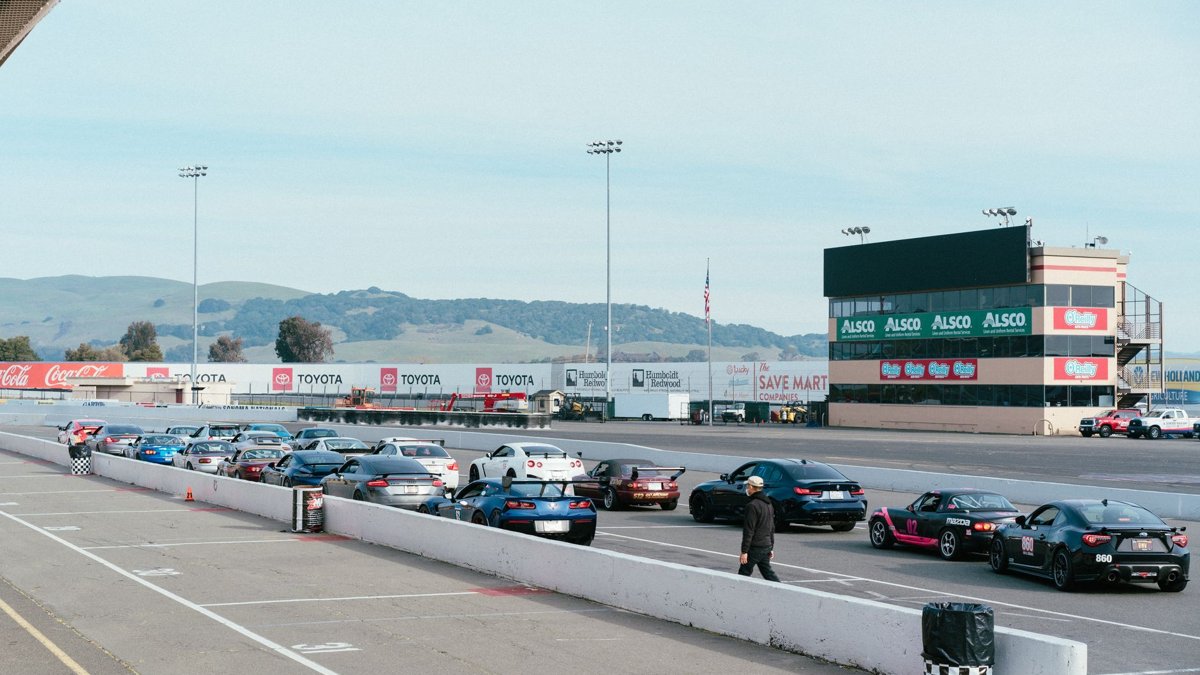
Beginner track days for cars fall into two main formats: an open pit lane (sessioned) day, where you drive your own road car on circuit under general guidance, and a novice or taster day, where numbers are capped, instruction is included and the pace is kept sensible. For a first time on track, book a novice-friendly day — ideally one that offers a "sighting laps" briefing, a one-to-one instructor and a quiet, uncrowded session format. That single choice does more for your confidence than any car modification.
Here's the honest version of what a first track day involves, what it costs, what car you can bring, and how to avoid the mistakes that catch nearly everyone out.
What "beginner track days for cars" actually means
A track day is not a race. There is no timing, no grid and no prize for being quickest. You pay for a block of circuit time and drive at your own pace, overtaking only where and how the rules allow. For beginners, the key distinctions are:
- Sessioned (group) days: Drivers are split into groups — often by experience (novice, intermediate, advanced). Each group gets timed slots on track through the day. Ideal for first-timers because you're surrounded by similar ability levels.
- Open pit lane days: You come and go as you please for the whole day. More freedom, but you'll share the track with faster, more experienced drivers. Fine once you've a day or two under your belt.
- Novice / taster days: Capped numbers, mandatory briefing, instruction included or heavily encouraged. The gentlest introduction and well worth the premium.
If you're brand new, our guide to what to book, bring and expect and the full first track day walkthrough cover the running order of the day in detail.
What does a beginner track day cost?
UK prices vary by circuit, day of the week and format. As a rough guide for 2026:
| Format | Typical price (per car) | Best for |
|---|---|---|
| Weekday novice/sessioned day | £150–£250 | First-timers on a budget |
| Weekend sessioned day | £200–£350 | Those who can't take time off |
| Premium / European circuit | £350–£700+ | A bucket-list drive later on |
| Instructor (per session/hour) | £30–£60 | Everyone on their first day |
Budget beyond the ticket price too: fuel (a track day eats 2–4x road consumption), tyre and brake wear, and ideally a set of fresh brake pads if yours are near the end. Midweek dates are almost always cheaper and quieter than weekends — a genuine advantage for a nervous first-timer. Use our search and price-alert tools to compare dates and get notified of price drops.
Which car can I bring?
Almost any road-legal, mechanically sound car is welcome on a beginner day. You do not need a dedicated track car, a roll cage or race seats. The common myth is that you need more power — in reality, a modest, reliable car you already trust is the ideal learning tool.
- Light and modest beats heavy and fast. A Mazda MX-5, Toyota GT86, Ford Fiesta ST or Mini Cooper S teaches car control far better than something with 400bhp you can't exploit.
- Brakes are the limiting factor, not power. Heavy, powerful cars cook their brakes and tyres quickly. If that's what you've got, brake earlier and do shorter stints.
- Check the basics first: no leaks, healthy tyres, fresh brake fluid, decent pads, correct fluid levels and no warning lights.
For a deeper look at choosing and prepping a suitable car, read our beginner track day car guide.
What to bring on the day
- Helmet — most organisers hire them (£10–£20) if you don't own one. An ECE 22.05/22.06 or Snell-rated helmet is typically required.
- Driving licence — you'll need it at sign-on.
- Long-sleeved top and trousers — many venues require arms and legs covered; natural fibres are safer than synthetics.
- Tyre pressure gauge — pressures rise as tyres heat up; you'll want to check and adjust.
- Basic tools, fluids and a tow eye — fitted and accessible.
- Food, water and sun cream — track days are long and tiring. Stay hydrated and take breaks.
Empty the car completely before you go out — boot, door bins, parcel shelf. Loose items become projectiles and will fail your noise/safety check with some organisers.
Noise limits: the thing beginners overlook
Most UK circuits enforce a static and/or drive-by noise limit, commonly in the 95–105 dB(A) range, measured 0.5 m from the exhaust at a set RPM. Standard road cars almost always pass comfortably; aftermarket exhausts are where people get turned away. Always check the specific limit for your chosen date before booking — some venues run stricter "quiet days" for residents. Our listings show the noise limit for each event so you can filter accordingly, the same way we break it down for bike venues like Cadwell Park.
On-track etiquette that keeps everyone safe
- Overtaking is defined by the circuit rules — usually only on straights, often one side only, and only when the car ahead signals or acknowledges you. Never dive down the inside into a corner.
- Use your mirrors constantly. Faster cars will catch you; make your line predictable and let them past cleanly.
- Learn the flags. Yellow (hazard, no overtaking), red (session stopped), chequered (session over), blue (faster car behind). The briefing covers all of them — pay attention.
- Build up gradually. Spend your first session learning the lines at 70%. Speed comes from smoothness and consistency, not from stabbing the throttle.
- Leave your ego in the car park. There's no trophy. The goal is to come home with the car and your licence intact, having improved.
Where should a beginner go first?
Pick a circuit that's forgiving, well-run and ideally not too far from home so you arrive fresh. Flowing tracks with generous run-off — think Snetterton, Donington Park, Bedford Autodrome or Silverstone's shorter configurations — suit learners well. Tight, technical or barrier-lined circuits are better left until you're confident. When you're ready for something bigger, our guides to Spa-Francorchamps and the Nürburgring Nordschleife explain what those premium days really cost. Also browse the wider UK motorsport event listings if you fancy spectating first.
Frequently asked questions
Do I need special insurance for a track day?
Standard road insurance almost never covers on-track driving, and most policies specifically exclude it. You can buy dedicated track-day cover from specialist insurers for a single event. It's optional but strongly recommended — repairing your own car (and any damage to barriers) out of pocket is expensive.
Will I damage my car?
Driven sensibly within its limits, a well-maintained road car handles a beginner day fine. The main wear items are tyres, brake pads and fluid. Keep stints short, let the brakes cool, and don't chase lap times and you'll minimise wear.
Can I bring a passenger?
Often yes, provided they're over a minimum age (usually 16–18), wear a helmet and the car has a proper passenger seat and belt. Rules vary by organiser, so check the specific event terms before you book.
How far ahead should I book?
Popular weekend and novice dates sell out weeks in advance, especially in spring and summer. Book early, and set a price-drop alert so you're notified if a cheaper midweek slot opens up.
The short version
Beginner track days for cars are more accessible, and more affordable, than most people assume. Book a novice or sessioned day midweek, bring the reliable car you already own, add an instructor, check the noise limit, and focus on smoothness over speed. Do that and you'll finish the day grinning — and already planning the next one. Compare dates, prices and noise limits across 1,800+ events and book early on Trackday Finder.
Looking for a date? Browse every UK & European trackday or get email alerts when new ones appear.