
29 September 2026
Beginner Track Day for Cars: What to Book, Bring and Expect
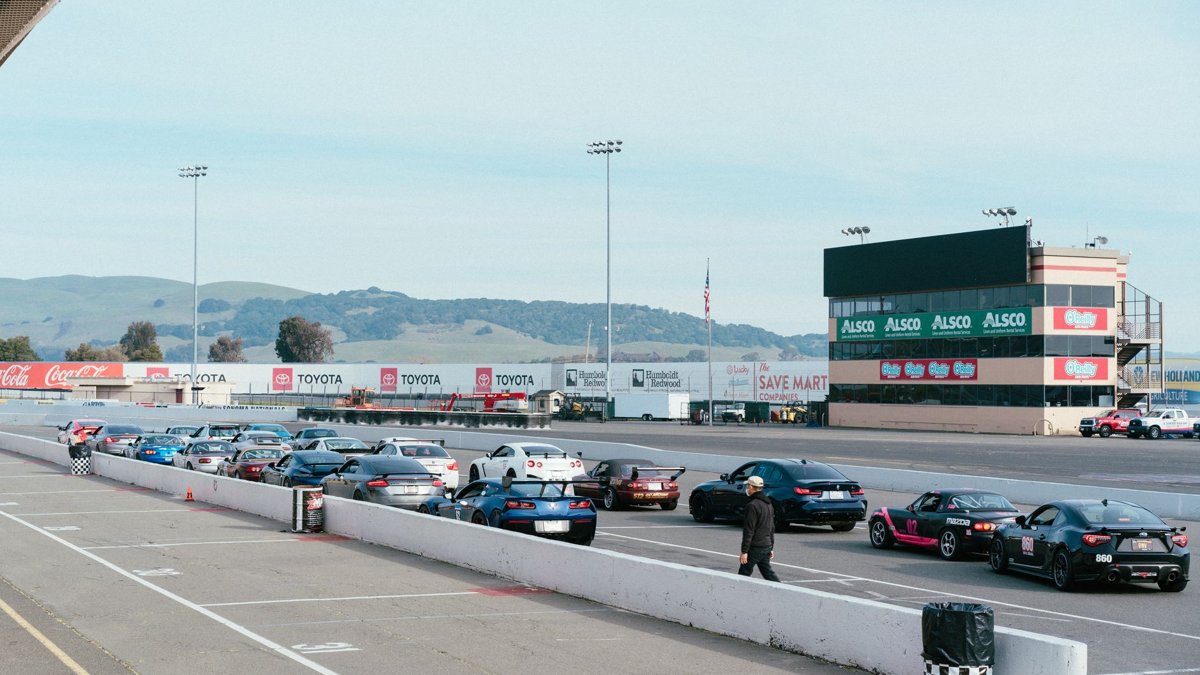
A beginner track day for cars is a full or half day where you drive your own car on a closed circuit, at your own pace, with no lap timing, no racing and no overtaking except in designated zones. Sessions are usually split by experience, so as a novice you run with other newcomers and instructors, not with regulars chasing lap records. Your road-legal car and a valid full driving licence are enough to get started — you do not need a race licence, a roll cage or a stripped-out track weapon.
The main formats you will see when browsing are open pitlane (drive whenever you like, come in when you want a break) and sessioned days (the day is split into timed groups by ability). For a first outing, a sessioned "novice" or "beginner-friendly" day is the easier introduction: the structure forces breaks, keeps traffic manageable and usually includes some instruction.
What "beginner-friendly" actually means
Organisers use different labels, so read the listing carefully rather than trusting the word "novice" alone. A genuinely beginner-friendly day will offer most of the following:
- Group splits by ability — novice, intermediate and advanced sessions kept separate, so you are not sharing the circuit with much faster traffic.
- Included or optional instruction — a passenger instructor who sits in and coaches you on lines, braking points and reference markers.
- A sighting or convoy laps — slow laps behind a lead car at the start to learn the circuit layout.
- A proper driver briefing — mandatory before you go out, covering flags, overtaking rules and pit procedure.
- Sensible overtaking rules — typically overtaking only on straights, with the slower car indicating which side to pass.
If a listing is billed as "experienced only", "open pit" with no group splits, or aimed at track cars and race cars, skip it for your first time. Our guide to the best track days for beginners goes deeper into picking a first circuit that won't overwhelm you.
Choosing your first circuit
Circuit choice matters more than most beginners expect. Wide, flowing circuits with good run-off and forgiving corners are far kinder to learn on than narrow, technical tracks with unsighted crests and gravel close to the racing line. Good starting points in the UK include Silverstone, Snetterton, Bedford Autodrome and Donington Park, all of which have plenty of space to make mistakes safely.
Leave the intimidating stuff for later. Circuits like Cadwell Park and the Nürburgring are brilliant, but their tight, blind and undulating sections punish inexperience. Use TrackdayFinder to filter by circuit, date and price, compare noise limits and set alerts so you know the moment a suitable novice day opens up or drops in price.
What it costs
UK car track day prices vary with circuit prestige, day length and format. As a rough guide for a full day:
| Type of day | Typical price (full day) |
|---|---|
| Club-circuit sessioned day (e.g. Snetterton, Bedford) | £149–£229 |
| Premium UK circuit (e.g. Silverstone GP, Donington) | £229–£399 |
| Half-day / evening taster | £99–£169 |
| Instructor tuition (per session or per hour) | £30–£50 |
Budget beyond the ticket, too. Fuel on track can be double or triple your road consumption, and a fresh set of front tyres and brake pads is a realistic running cost if you attend regularly. For a European bucket-list comparison, see our breakdown of what you actually pay to lap Spa-Francorchamps.
Preparing your car
A well-maintained road car is fine for a first track day. Give it a proper check the week before — this is the single biggest thing that separates an enjoyable day from an early trailer home.
- Brakes: plenty of pad material and fresh, high-quality fluid. Track use boils tired fluid and causes a soft pedal. This is the number one thing to sort.
- Tyres: good tread, no perishing, and correct pressures. Many run road pressures slightly lower on track once hot — ask your instructor.
- Fluids: engine oil at the correct level, coolant topped up, no leaks.
- Wheel nuts: torqued correctly.
- Loose items: empty the boot and cabin completely — floor mats, phone chargers, anything that can fly around.
- Battery: secured, not held down by nothing but hope.
Most organisers run a basic scrutineering check on arrival covering these points. If something fails, you may not be allowed out, so fix it beforehand.
What to bring
- Helmet — most circuits require a suitable motorsport-standard helmet. Many organisers hire them for around £10–£20 if you don't own one; check the listing.
- Full driving licence and any booking confirmation.
- Sensible clothing — long sleeves and trousers in natural fibres, closed shoes with thin soles for pedal feel.
- Tyre pressure gauge and a way to adjust pressures.
- Basic tools, cable ties and gaffer tape for minor fixes.
- Food, water and sun cream — track days are long and catering is not guaranteed.
How the day runs
Arrive early, sign on and get your car scrutineered. The driver briefing is mandatory — miss it and you don't drive. It covers flags, the overtaking rules for the day, pit lane speed and what to do if you have an off. Take it seriously; the flag knowledge is what keeps everyone safe.
For your first few sessions, take an instructor. Twenty minutes of in-car coaching will teach you more about braking points and racing lines than a whole day of guessing, and it builds confidence quickly. Start slow, build speed gradually, and use the mirrors constantly — faster cars will catch you, and letting them past cleanly is part of good track etiquette. If you want the full run-through, read what to expect at your first track day.
Noise limits — check before you book
Many UK circuits enforce static and drive-by noise limits, and a loud aftermarket exhaust can get you black-flagged or refused entry. Standard road cars almost always pass, but if yours has a non-standard exhaust, check the circuit's limit against your car before booking. Our explainer on UK track day noise limits covers static versus drive-by testing, and you can filter listings by noise limit on TrackdayFinder.
Frequently asked questions
Do I need any special licence or experience for a beginner track day?
No. A valid full driving licence is all you need for the vast majority of car track days. You do not need a race licence or prior track experience — novice-specific days exist precisely for first-timers, and instruction is usually available on the day.
Will a track day damage my car?
Normal track use wears consumables — tyres, brake pads and fluid — faster than road driving, but a properly maintained car driven sensibly will not be damaged. The most common problems are boiled brake fluid and overheating, both avoidable with a pre-day check and cooling-down laps before you come in.
Is my road insurance valid on track?
Standard road policies generally do not cover track use, and some specifically exclude it. Specialist on-track insurance is available per day from several providers and is worth considering, especially at premium circuits. Check your existing policy wording before you go.
How far ahead should I book?
Popular novice days and premium circuits sell out weeks or months in advance, especially in spring and summer. Book early, and set price and availability alerts so you're notified the moment a suitable date opens or a space is released.
A beginner track day for cars is one of the most rewarding ways to enjoy driving legally and safely. Pick a forgiving circuit, book a genuinely novice-friendly day, prepare your car properly and take an instructor. Compare dates, prices and noise limits across every UK and European organiser on TrackdayFinder — then book early, because the good beginner days fill up fast.
Looking for a date? Browse every UK & European trackday or get email alerts when new ones appear.