
23 October 2026
Track Days Europe by Car: Circuits, Costs and How to Plan the Trip
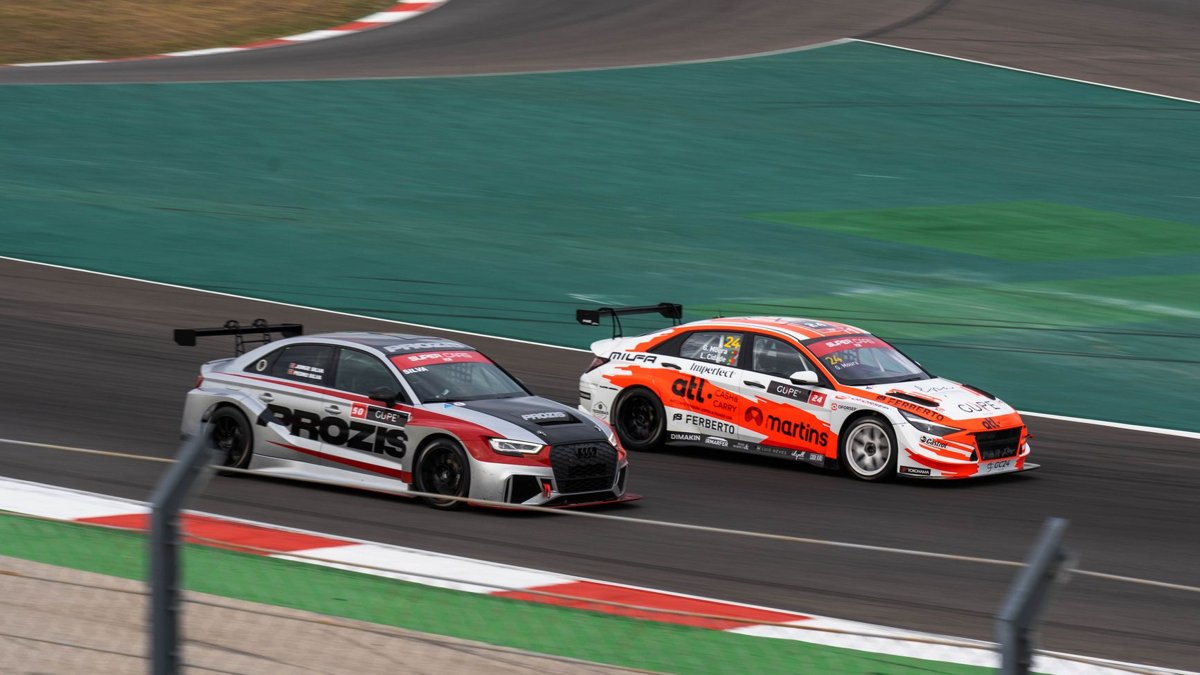
Booking track days in Europe by car means budgeting for three things on top of the track fee: the drive out (fuel, tolls, a Channel crossing), accommodation near the circuit, and the paperwork most UK drivers forget — breakdown cover that works abroad and, for some venues, proof of a valid licence and insurance. Get those sorted and the continent opens up fast. A single day at Spa-Francorchamps or the Nürburgring Grand Prix circuit costs broadly what a premium UK day does, but the tarmac, the elevation changes and the sheer scale put most British circuits in the shade.
This guide covers the circuits worth the drive, what a European trip realistically costs, the rules that differ from home, and how to find and compare available dates before they sell out.
Why drive to Europe for a track day at all
The honest answer is variety and value per lap. UK circuits are excellent but short and often noise-limited to the point of frustration — plenty cap you at 98–105 dB static, which rules out a lot of track-prepped cars. Many European venues run higher limits or no limit at all on open-pit days, and the circuits themselves are longer: Spa is 7.0 km, the Nordschleife is 20.8 km, versus Silverstone's 5.9 km GP layout or Brands Hatch Indy at 1.9 km.
You also get genuine destination circuits — tracks you've watched on TV your whole life — for the price of a long weekend. If you're weighing a European trip against staying local, our guide to finding and comparing local track days is worth a read first; sometimes a cheap midweek UK date is the smarter call.
The best European circuits to drive to
These are the venues UK drivers most often target, roughly in order of how achievable they are on a weekend from the south coast.
| Circuit | Country | Length | Drive from Calais | Typical day price |
|---|---|---|---|---|
| Spa-Francorchamps | Belgium | 7.0 km | ~2.5 hrs | £180–£350 |
| Zolder | Belgium | 4.0 km | ~2 hrs | £150–£250 |
| Nürburgring GP | Germany | 5.1 km | ~4 hrs | £180–£320 |
| Nürburgring Nordschleife | Germany | 20.8 km | ~4 hrs | £25–£35 per lap (Touristenfahrten) |
| Assen (TT Circuit) | Netherlands | 4.5 km | ~3.5 hrs | £180–£300 |
| Circuit de Charade | France | 3.9 km | ~7 hrs | £150–£260 |
| Magny-Cours | France | 4.4 km | ~6 hrs | £160–£280 |
Spa and the Nürburgring are the two you'll see most often on UK organisers' calendars, because they're close enough to combine into a single trip. We've got dedicated breakdowns of both: Spa-Francorchamps track days and the Nürburgring Nordschleife, plus a separate guide to the Touristenfahrten public sessions if you want pay-per-lap rather than a booked day.
What a European track day trip actually costs
The track fee is rarely the biggest line on the spreadsheet. Here's a realistic breakdown for a Spa weekend in a road car, driving down from London for two people, one track day.
| Item | Estimate |
|---|---|
| Channel crossing (return, car) | £90–£180 |
| Fuel (approx. 1,000 km round trip) | £120–£160 |
| Tolls (France/Belgium) | £20–£40 |
| Track day fee | £180–£350 |
| Hotel (2 nights) | £140–£260 |
| European breakdown cover | £30–£80 |
| Food, incidentals | £80–£150 |
| Total | £660–£1,220 |
Two things move that number most: how early you book the crossing and whether you share the drive and hotel. If you're cost-conscious, the same tactics that work at home apply abroad — see our track day price comparison guide for how to spot the genuinely cheap dates rather than the ones that only look cheap.
Rules and paperwork that differ from the UK
European track days aren't dramatically different, but a few points catch first-timers out:
- Noise limits are often higher or absent. Spa's open pit lane days typically run no static limit but enforce a drive-by cap (around 100 dB(A) at some events). The Nürburgring GP circuit and Nordschleife have their own, stricter limits — check the specific day.
- Helmets and licences. Most organisers require a helmet to ECE 22.05/22.06 or Snell; some premium days want proof of a full driving licence and occasionally an ARDS/instructor sign-off for lead-follow at the Nürburgring.
- Insurance. Your road policy almost certainly excludes track use. Specialist on-track cover is available by the day — worth it at Spa, where barriers are close and repairs expensive.
- Driving to the venue. Carry your V5C, a GB/UK sticker, headlamp beam deflectors, a warning triangle and hi-vis vests (legally required in France and Belgium). A breathalyser is recommended in France.
- Left-hand traffic. Obvious, but tiredness after a long drive is the real risk — build in an overnight stop rather than driving straight to the pit gate.
How to find and compare available dates
European dates sell out earlier than UK ones because the audience is continent-wide. The practical approach:
- Filter by circuit and month rather than browsing one organiser at a time — multiple UK companies run the same Spa or Nürburgring dates at different prices.
- Compare noise limits and format (open pit lane vs sessioned) before price. An open-pit day gives far more track time and suits experienced drivers; sessioned days are calmer for a first visit.
- Set alerts for price drops and sell-outs so you can commit to the crossing and hotel the moment a good date confirms.
- Book the Channel crossing early. This is the single biggest controllable cost, and fares climb sharply as dates fill.
You can search and compare more than 1,800 UK and European dates on Trackday Finder, filtering by circuit, date, price and noise limit, then book directly with the organiser. If this is your first track outing full stop, read our beginner's guide to your first session before you commit to a long drive — a quiet UK day first is rarely a bad idea.
Planning a first European trip: a sensible itinerary
For a first continental day, Spa is the easiest win. A workable long-weekend plan:
- Friday: Afternoon crossing, drive to the Ardennes, overnight near Stavelot or Francorchamps.
- Saturday: Track day. Sessioned format if it's your first time; don't chase lap times on an unfamiliar, fast circuit.
- Sunday: Easy drive back, late crossing. Avoid booking the day's final ferry in case the track day over-runs or you're tired.
Pack spare brake pads and fluid, a torque wrench and your tyre pressures — European tarmac loads the car harder than a short UK circuit, and brakes are the first thing to fade at Spa.
Frequently asked questions
Do I need special insurance for a track day in Europe?
Your standard road insurance will not cover on-track incidents, and this applies across Europe just as it does in the UK. Buy single-day track insurance from a specialist provider. It's optional but strongly advised at fast, barrier-lined circuits like Spa where repair bills escalate quickly.
Can a normal road car do a European track day?
Yes. Most European track days welcome standard road cars provided they pass a basic noise and safety check (good tyres, no fluid leaks, functioning brakes). Longer circuits are harder on brakes and tyres than UK tracks, so check pad wear and fluid condition before you go, and let temperatures settle between laps.
How far in advance should I book track days in Europe by car?
Aim for two to three months ahead for popular circuits in peak season. European dates draw drivers from several countries and sell out faster than UK equivalents, and booking early also secures the cheapest Channel crossings and hotels. Set availability and price alerts so you can act the moment a date confirms.
Which European circuit is best for a first visit?
Spa-Francorchamps is the usual recommendation: it's close to Calais, world-class, and widely run by UK organisers so you can travel with a familiar company. Pick a sessioned day rather than open pit lane for your first visit to build up to the circuit at your own pace.
Looking for a date? Browse every UK & European trackday or get email alerts when new ones appear.