
15 July 2026
Car and Bike Track Days: How They Differ, What They Cost and How to Book
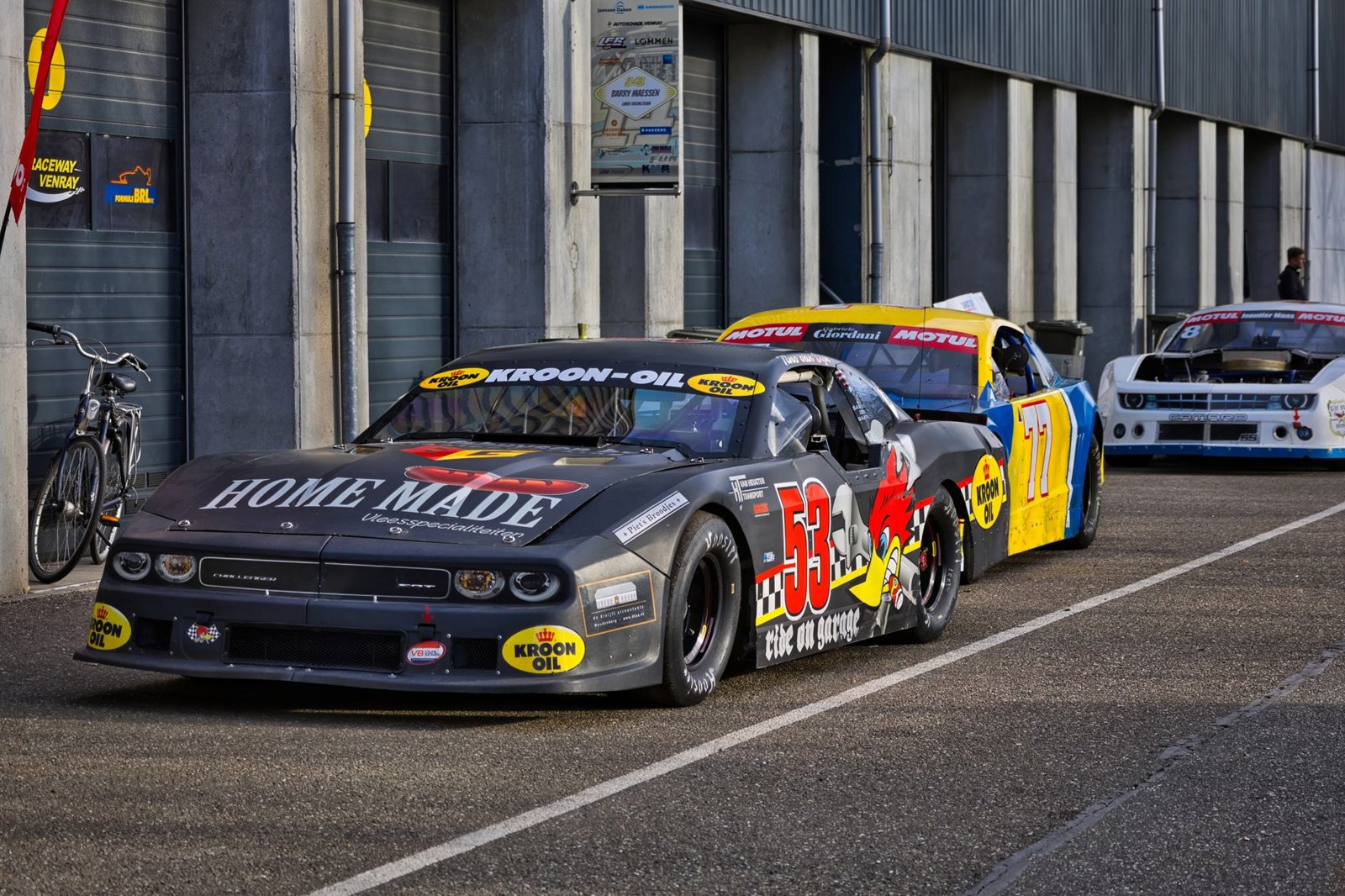
Search for car and bike track days and you’ll find hundreds of dates scattered across dozens of circuits and organisers — often with wildly different rules, prices and formats. The two disciplines share the same tarmac, but almost nothing else about how a day runs is identical. This guide lays out what actually separates a car day from a bike day, what you’ll pay, the kit you need, and how to lock in a space before the good dates disappear.
Whether you drive a hot hatch or ride a litre sportsbike, the goal is the same: safe laps, useful seat time and no nasty surprises on the day. Here’s how to get there.
Car and bike track days: the key differences
Most UK circuits run car days and bike days as entirely separate events — you’ll rarely see both on the same tarmac on the same day, and for good reason. Closing speeds, braking distances, run-off requirements and marshalling all differ. A few things to know before you book:
- Separate calendars. Organisers who run cars often don’t run bikes, and vice versa. Filter by discipline first, then by date and circuit.
- Different noise limits. Bikes and cars are measured the same way (static and drive-by), but the practical impact varies by machine. A track-focused car may sail through where a decatted superbike gets black-flagged.
- Session structure. Car days often split into novice, intermediate and open groups. Bike days do the same but tend to add a “novice with instruction” element more consistently.
- Passengers. Many car days allow a passenger (correctly equipped). Bike days obviously don’t — but many offer pillion-free tuition and one-to-one coaching.
If you’re brand new to either, start with our guide to the best track days for beginners before you commit to a date.
What car and bike track days cost
Price is driven by circuit prestige, day length, format (open pit lane vs sessioned) and how far ahead you book. As a rough UK guide for 2025–2026:
| Type | Typical UK price | Notes |
|---|---|---|
| Bike track day (club circuit) | £99–£175 | e.g. Cadwell, Mallory, Snetterton 200 |
| Bike track day (GP circuit) | £180–£280 | Silverstone GP, Donington GP |
| Car track day (club circuit) | £129–£199 | Often sessioned, three groups |
| Car track day (GP circuit) | £199–£350 | Premium circuits, longer days |
| European headline circuit | £250–£600+ | Spa, the Nürburgring, plus travel |
Europe is a different budget conversation once you add ferries, fuel and a hotel. If a bucket-list lap is on your list, our breakdown of Spa track day prices and the guide to Nürburgring Touristenfahrten dates show what you’ll actually pay beyond the entry fee.
Noise limits: the thing that catches people out
Noise is the single most common reason a car or bike gets turned away or pulled off track. UK circuits publish both static and drive-by limits, and they vary enormously — from a relaxed 105 dB drive-by at some venues to a strict 92 dB at circuits with tight residential planning constraints.
Static tests are done at a set RPM with the probe held near the exhaust; drive-by tests measure the car or bike passing a trackside microphone. A machine can pass static and still fail drive-by, so check both figures against the limit before you travel. Our full explainer on UK track day noise limits covers how each test works and what to do if you’re borderline.
Rule of thumb: if your machine is loud on the road, assume it’s a problem on track. Fit a baffle, check the published limit for that specific date, and arrive early enough to sort it before your first session.
The kit you actually need
For bike track days
- One- or two-piece leathers (zipped together), back protector, gloves, boots.
- ACU-approved helmet in good condition — check the date and any expiry rules.
- Bike prep: taped lights, no glass mirrors on many days, decent tyres and brake pads, fresh oil.
- Tyre warmers optional; sensible tyre pressures aren’t.
For car track days
- Helmet (many organisers hire them out from around £10–£20 on the day).
- Long sleeves and trousers from natural fibres; closed shoes.
- Car prep: brake fluid in good condition, pads with plenty of life, correct tyre pressures, nothing loose in the cabin.
- A passenger? They need the same head protection and a properly fitted seatbelt or harness.
For a deeper checklist covering costs, kit and booking specifically on two wheels, see our guide to bike track days in the UK.
How to find and compare car and bike track days
The market is fragmented — dozens of organisers, each with their own site, calendar and quirks. That’s exactly the problem TrackdayFinder exists to solve. We aggregate over 1,800 events from circuit operators and trackday organisers across the UK and Europe so you can compare in one place rather than opening 15 tabs.
A sensible booking process:
- Filter by discipline — car or bike — then by circuit and date range.
- Compare price against format. A cheaper open-pit-lane day can give more track time than a pricier sessioned one; a sessioned day can be calmer for beginners.
- Check the noise limit for that exact date, not the circuit’s general figure — limits change by organiser and time of year.
- Look at the group split. Novice-friendly days with tuition are worth paying a little more for early on.
- Set an alert. Popular dates sell out; we can email you on price drops, sell-outs and availability changes so you don’t miss the date you want.
For a step-by-step on comparing and securing a space, our guide on how to find, compare and book your next session walks through it in detail.
Popular UK circuits for first-timers
Some circuits simply suit newcomers better — good sightlines, forgiving run-off and a rhythm that’s easy to learn. Cadwell Park is a favourite for bikes (though the Mountain demands respect), while Anglesey offers spectacular coastal layouts for both cars and bikes. Snetterton, Donington and Silverstone all run high volumes of dates across both disciplines, so availability is usually good if you book a few weeks out.
Running a kit car or a heavily modified build? The intake side often decides whether you pass noise and make usable power — our friends at GMR have a straight-talking guide to choosing individual throttle bodies that fit and perform. Related: if you’re running 3D-printed intake or bodywork parts, Ask The Nozzle covers motorsport 3D printing in the UK.
Frequently asked questions
Can you do car and bike track days at the same circuit?
Yes — most major UK circuits host both, but almost always on separate days. Cars and bikes are rarely mixed on track for safety reasons, so you’ll book a dedicated car day or a dedicated bike day.
Do I need a race licence for a track day?
No. Standard track days are non-competitive, so no race licence is required. You’ll usually need a valid road licence (or to meet the organiser’s minimum age and experience rules) and to sit the compulsory safety briefing on the day.
How far in advance should I book?
Popular dates at premium circuits and summer weekends sell out weeks ahead. Book early where you can, and set an availability alert for dates that are already full — cancellations do free up spaces.
Is insurance included?
Track day damage is almost never covered by standard road insurance, and it’s not usually included in the entry fee. Specialist on-track cover is available from third parties if you want to protect your car or bike — check the small print for excess and write-off terms.
The bottom line
Car and bike track days share the same circuits but run to different rulebooks — separate calendars, different noise realities and distinct kit. Get the discipline, the noise limit and the format right, and the rest is just seat time. Compare dates and prices across the UK and Europe on TrackdayFinder, set an alert on the ones you want, and book early.
Related: Track Day Noise Limit by Circuit: UK Limits, Testing and How to Avoid a Black Flag
Looking for a date? Browse every UK & European trackday or get email alerts when new ones appear.