
05 September 2026
UK Track Days for Cars: Costs, Circuits and How to Book Your First One
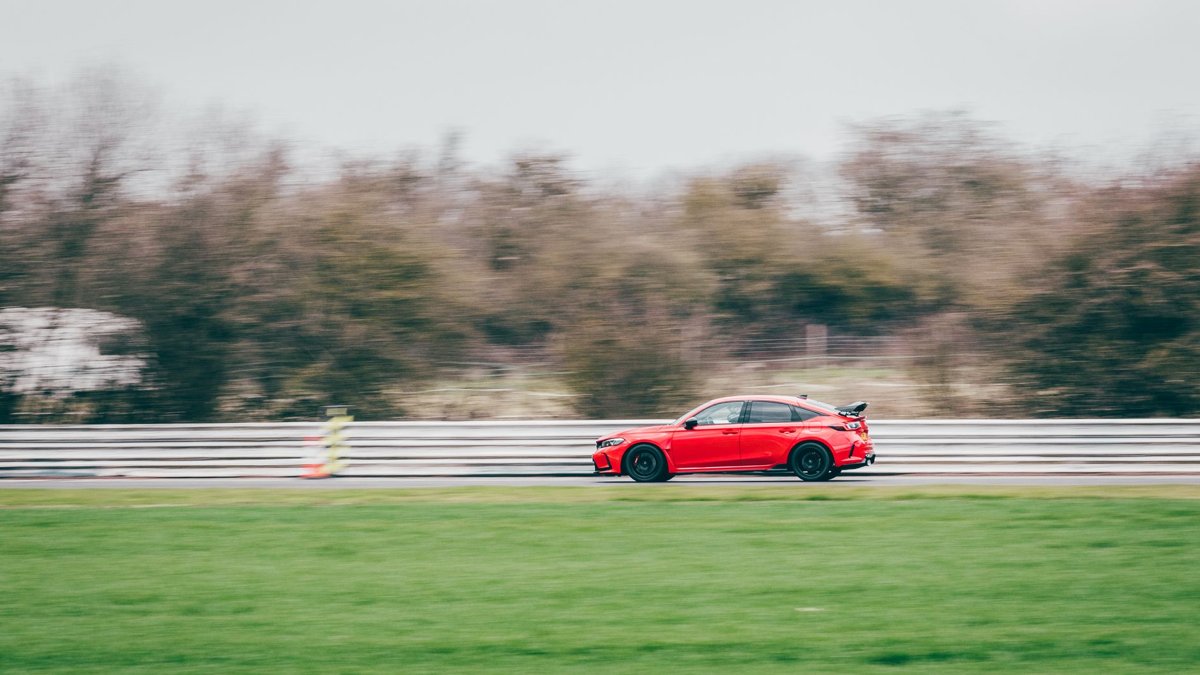
A UK track day for cars typically costs between £99 and £350 for a full open-pit day, runs from roughly 09:00 to 17:00 after a compulsory briefing, and lets you drive your own road car on a proper racing circuit with no lap timing, no speed limit and no oncoming traffic. You do not need a race licence, a modified car or any prior experience — a road-legal car in good mechanical order, a full driving licence and a helmet are enough to get started at most novice-friendly events.
That is the short version. Below is everything you actually need to weigh up before you book, from formats and pricing to circuits, noise limits and the paperwork that trips up first-timers. If you want to skip straight to comparing dates and prices, the Trackday Finder search lists over 1,800 events from circuit operators and organisers across the UK and Europe.
What a UK track day for cars actually involves
You arrive, sign on, get scrutineered (a quick visual check of your car), and sit through a mandatory safety briefing — nobody drives until they have attended it. From there the day runs in one of two formats:
- Open pit lane: you drive whenever you like, in as many sessions as you want, coming in and out at your own pace. Best value for seat time, but the track can be busier.
- Sessioned: the day is split into groups (often novice, intermediate and experienced) with fixed 15–20 minute slots. More structured, quieter track, and far easier for first-timers to judge their pace against similar drivers.
Track days are strictly non-competitive. There is no timing, no racing and no overtaking wherever you like — passing is usually only permitted on designated straights with a clear signal from the car ahead. Marshals run the same flag system used in motorsport, and overtaking rules are the single most important thing to absorb in the briefing.
How much do UK track days for cars cost?
Price is driven by the circuit's prestige, the length of the day, and whether it is open pit or sessioned. As a rough guide for 2026:
| Type | Typical price | Best for |
|---|---|---|
| Taster / half-day sessioned | £99–£169 | First-timers testing the water |
| Full sessioned day | £149–£249 | Novices wanting structure |
| Full open pit lane day | £179–£299 | Maximum seat time |
| Premium / GP-circuit day | £279–£450+ | Silverstone GP, Spa, experienced drivers |
Budget for extras on top of the entry fee: fuel (a spirited day can easily burn 40–60 litres), tyre and brake wear, and optional instruction (usually £30–£40 per 20-minute session, and genuinely worth it for your first outing). If you are watching your spend, a taster session is the cheapest, lowest-risk way onto a circuit, and setting up price drop alerts often knocks £30–£60 off a full day when organisers discount unsold spaces.
The best UK circuits for a first track day
The UK is spoilt for circuits. Some suit beginners better than others — flowing layouts with generous run-off are more forgiving than narrow, walled tracks. A few worth knowing:
- Silverstone (Northamptonshire) — wide, fast and modern with huge run-off. Multiple layouts from the shorter Stowe circuit up to the full GP track.
- Brands Hatch (Kent) — the Indy circuit is short, dramatic and hugely popular; the GP loop adds serious commitment. Close to London.
- Donington Park (Leicestershire) — brilliant flow through the Craner Curves, central location, well run.
- Snetterton (Norfolk) — long straights and a good mix of corners; often good value.
- Castle Combe (Wiltshire) — fast and old-school, but note the strict noise limits.
- Bedford Autodrome (Bedfordshire) — acres of run-off and no barriers close to the track, which is why it is a favourite for novices and instruction.
If you are torn between two wheels and four, our comparison of car vs bike on track day breaks down the cost and experience differences.
Noise limits: the thing that catches people out
Nearly every UK circuit sits near housing and operates under planning conditions that cap how loud your car can be. Limits are usually measured either as a static test (revved to a set RPM at the exhaust) or a drive-by. Common thresholds range from a strict 92dB static at circuits like Castle Combe up to 105dB+ at more permissive venues, with 98–102dB being typical.
A standard road car will almost always pass. If you have an aftermarket exhaust, check the specific event's limit before you book — failing the noise test on the morning means you are sent home without a refund. Trackday Finder lists the noise limit on every event so you can filter before you commit.
What you need to bring and prepare
- A mechanically sound car. Check tyres, brake pads (plenty of material left), fluid levels and that nothing is loose. Track use is far harder on a car than road driving.
- A helmet. Most circuits require one; hire is usually available for around £10–£20 if you do not own one.
- Empty the boot and cabin. Loose items become projectiles. Remove floor mats, phone holders, dash cams on suction mounts and anything not bolted down.
- Full driving licence and, ideally, your V5 or evidence the car is yours to run.
- Fuel and water. Fill up nearby; some circuits have no on-site fuel. Bring drinks and food.
Tyre pressures matter more than people expect — track heat raises them significantly, so many drivers drop cold pressures a few PSI below the road figure and check between sessions. Ask an instructor or marshal if you are unsure.
Insurance and the small print
Your normal road insurance almost never covers on-track incidents, even during a non-competitive track day. If you damage your car — or worse, someone else's — you are typically liable yourself unless you have arranged specific cover. Standalone track day insurance covers accidental damage to your own car for the day and is worth considering, especially at faster circuits. We cover what it includes and what it costs in our guide to track day insurance in the UK.
How to find and book a UK track day for cars
Booking direct with a circuit is fine if you already know exactly what you want. The catch is that dates, prices, formats and noise limits vary wildly between the dozens of operators and organisers running events. Comparing them one website at a time is slow.
Trackday Finder aggregates over 1,800 events into a single searchable database, so you can filter by circuit, date, price, noise limit and format, then book direct with the organiser. It is the fastest way to see what is running near you and to catch cheap, last-minute spaces — handy if you are chasing track days this weekend. Popular dates at premium circuits sell out weeks ahead, so once you have found the right event, book early.
Enthusiast clubs also run marque-specific days if you own something particular — for example, Lotus on Track events are worth a look if you drive a Lotus and want to share the circuit with similar cars.
Frequently asked questions
Do I need a special licence for a UK track day?
No. A standard full driving licence is enough for the vast majority of car track days. You do not need a race or ARDS licence — those are only required for actual competition.
Can I use my everyday road car?
Yes, and most people do. It needs to be road-legal, mechanically sound and able to pass the noise limit. Hot hatches, saloons and even sensible daily cars are common sights. Just budget for accelerated wear on tyres, brakes and fuel.
What happens if it rains?
Track days run in the wet — they are rarely cancelled for weather. A wet circuit is actually a good, lower-speed environment to learn car control, though grip is much reduced. Bring the right tyres in mind and adjust your expectations rather than your plans.
How early should I book?
For popular circuits and summer weekends, book several weeks to a couple of months ahead. Midweek and off-season dates have more availability and are usually cheaper. Setting up availability and price alerts means you are notified the moment a good space opens up.
Once you have picked a date, prepared the car and read the noise limit twice, the only thing left is to enjoy it. Start conservatively, use the instruction, and build your pace across the day.
Looking for a date? Browse every UK & European trackday or get email alerts when new ones appear.