
21 June 2026
Motorcycle Track Days UK: Costs, Kit, Noise Limits and How to Book
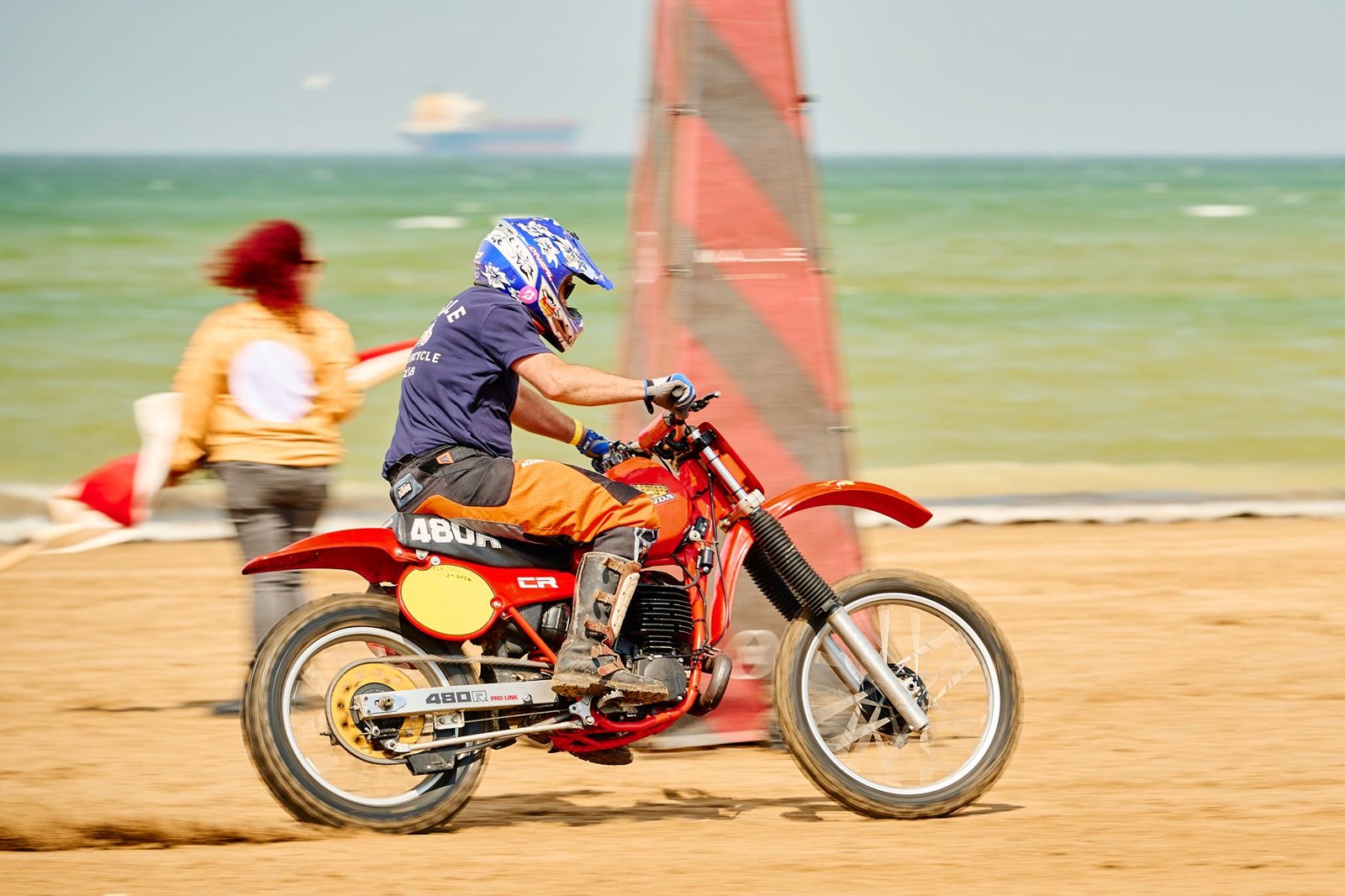
If you ride and you’ve never taken your bike on a circuit, you’re missing the best — and safest — place to actually use it. Motorcycle track days UK events give you clear tarmac, no oncoming traffic, no speed cameras and run-off where there’d otherwise be a hedge. This guide covers what you’ll pay, the kit you need, how noise limits work and how to compare and book without overpaying or turning up unprepared.
What a motorcycle track day actually involves
A typical UK bike track day runs from roughly 09:00 to 17:00 at a circuit such as Brands Hatch, Donington, Cadwell Park, Snetterton or Silverstone. After a compulsory rider briefing and a noise test, riders are split into groups and sessions run on a rolling basis — usually around 20 minutes on track, 20 off, repeated through the day.
Most organisers use a three-group structure:
- Novice — first-timers and returners. Often includes sighting laps behind an instructor and free track tuition.
- Intermediate — comfortable at pace, learning lines and consistency.
- Fast — experienced track riders, race-licence holders and well-sorted bikes.
You’re free to ride at your own pace within your group. Overtaking rules vary — novice groups are often “on the straights only,” while fast groups allow passing anywhere with respect. The briefing makes the rules clear, so listen.
What motorcycle track days cost in the UK
Prices vary by circuit, organiser, day of the week and how busy the calendar is. As a rough guide:
- Midweek and smaller circuits: around £119–£169.
- Weekend and premium venues: roughly £179–£259.
- Marquee circuits (Silverstone GP, Donington): £200+.
Open pit-lane days can work out cheaper per session if you’re fit and your bike is reliable, while sessioned days give you guaranteed track time and rest. If budget is the priority, our guide to finding low-cost circuit days without the catch applies to bikes as well as cars. The cheapest dates are usually quiet midweek slots booked well in advance — book early, because popular venues sell out.
Kit: what you need to ride on track
Bike track days have stricter kit requirements than the road. Exact rules differ between organisers, but the standard expectation is:
- One- or two-piece leathers. Two-piece must zip together all the way round. Textiles are rarely accepted in faster groups.
- A helmet in good condition with no significant damage and an approved standard.
- Back protector — often mandatory, and sensible regardless.
- Full gauntlet gloves and proper boots covering the ankle.
- Knee sliders if your leathers have pockets for them.
Many organisers hire leathers, boots and helmets if you’re testing the water before committing to your own kit. Bring a tyre pressure gauge, basic tools, cable ties and tape, plus food and plenty of water — you’ll dehydrate faster than you expect.
Preparing your bike
Scrutineering is straightforward but real. Expect a check of the following:
- Tyres and brakes in good condition with plenty of life.
- No fluid leaks — oil, coolant or fuel will fail you instantly.
- Mirrors and lights usually need to be taped over or removed; glass headlights should be taped.
- Bar-end weights and anything that could come loose checked.
- Antifreeze often banned — many circuits require plain water or a track-legal coolant because spilt antifreeze is lethally slippery.
Drop your tyre pressures from road settings for track use (your tyre maker or organiser can advise), warm the bike properly and do a sighting lap or two before pushing on.
Noise limits — the bit that catches people out
UK circuits operate under planning restrictions that cap noise, and your bike will be tested before you ride. Limits are typically given as a static drive-by figure measured at a set rpm, commonly in the range of 98–105 dB depending on the venue.
Aftermarket exhausts and decat systems are the usual culprits. If you’ve fitted a loud can, check the day’s limit before you book — a baffle or db-killer often makes the difference between riding and being sent home. The same noise rules drive scheduling at car-friendly venues too; our Silverstone track days guide and Brands Hatch guide spell out how limits affect specific circuits.
Choosing a circuit
Some venues suit beginners; others reward experience. A few enthusiast favourites:
- Cadwell Park — tight, technical and hilly, including the famous Mountain. Brilliant for bikes, less forgiving for first-timers.
- Snetterton — flowing and fast with good run-off; popular for learning.
- Donington Park — classic layout with real elevation and history.
- Brands Hatch Indy — short, intense and close to London.
- Silverstone — wide, fast and confidence-inspiring.
If you’re not sure where to start, search by your postcode and filter for novice-friendly dates using our guide to finding track days near you.
How to find and compare motorcycle track days UK
The calendar is large and prices move, so comparing manually across dozens of organiser websites is slow. TrackdayFinder aggregates over 1,800 events from circuit operators and trackday organisers across the UK and Europe, so you can filter by circuit, date, price, group structure and noise limit in one place, then click through to the organiser to book.
A sensible process:
- Filter by location and a date range that suits you.
- Compare price, noise limit and whether the day is sessioned or open pit lane.
- Check the group structure — confirm there’s a genuine novice group if you’re new.
- Set email alerts for price drops and sell-outs on dates you’re watching.
- Book early and read the organiser’s specific kit and bike rules.
For broader planning across both disciplines, our full bike track days guide goes deeper on costs and kit, and there’s a companion car track days guide if you run both. There’s also a dedicated walkthrough on how to find, compare and book your next bike session.
Frequently asked questions
Do I need a race licence for a motorcycle track day?
No. Track days are non-competitive, so a standard road bike and a full road licence are fine for most events. A race licence is only needed for actual racing, not open track days. Some fast-group days may ask about your experience, but there’s no licence requirement.
Can a beginner do a motorcycle track day?
Yes. Most organisers run a dedicated novice group with sighting laps, often including free instruction and pass-on-the-straights rules. Book a sessioned day with a clear novice group, hire leathers if needed, and take the first sessions steady to learn the lines.
Is my road bike suitable for track days?
Almost certainly. A well-maintained road bike on decent tyres passes scrutineering easily. You’ll usually need to tape over lights and mirrors, check there are no leaks, and confirm your exhaust meets the day’s noise limit. No race-spec modifications are required.
How far in advance should I book?
For popular circuits and weekend dates, several weeks to a couple of months ahead is wise, as novice groups fill first. Midweek dates are easier to grab last-minute and cheaper. Set availability alerts so you’re notified if a sold-out date frees up.
Pick a forgiving circuit, sort your kit and bike, check the noise limit and book a date with a proper novice group. Compare what’s available, set your alerts and book early — the good dates go fast.
Related: Novice Track Days UK: How to Choose Your First Circuit Day and Get Booked In
Related: Beginner Track Day UK: A No-Nonsense Guide to Your First Circuit Day
Related: Donington Park Track Days: Costs, Layout, Noise Limits and How to Book
Related: Track Day Calendar UK: How to Find, Filter and Book Circuit Days Fast
Related: Snetterton Track Days: Costs, Layout, Noise Limits and How to Book
Related: Track Day Noise Limits UK: Static and Drive-By Limits Explained
Looking for a date? Browse every UK & European trackday or get email alerts when new ones appear.