
Spa Track Day Prices: What You Actually Pay to Lap Spa-Francorchamps
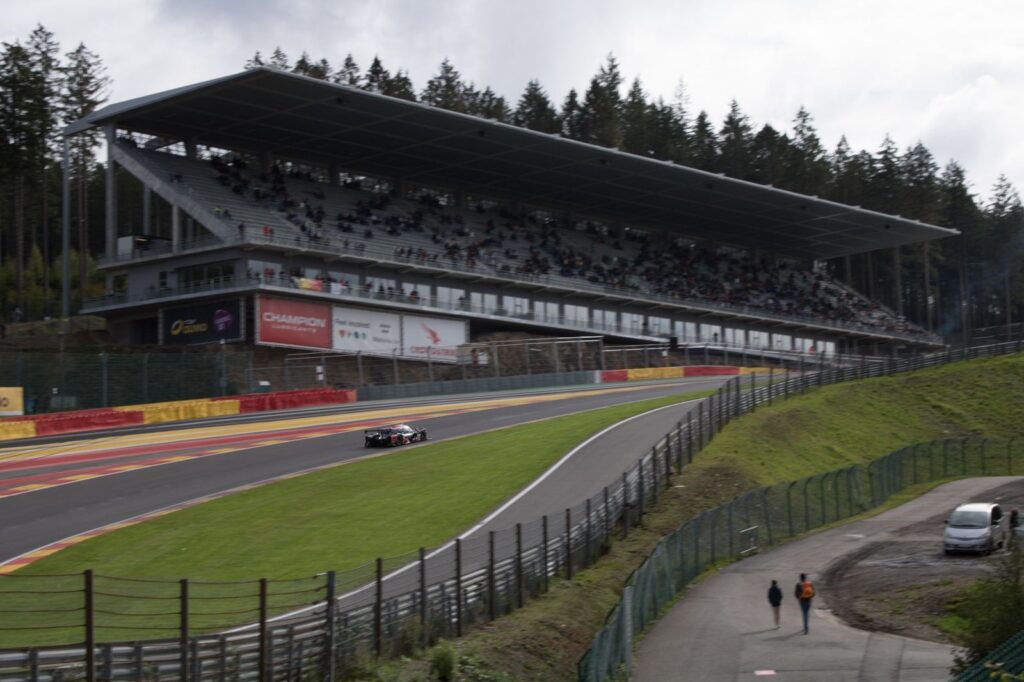
Spa-Francorchamps is the circuit most UK enthusiasts want on their calendar, and the first question is always the same: what do Spa track day prices actually come to once you add everything up? The headline entry fee is only part of the story. Between the format you book, the fuel you’ll burn on a 7.004 km lap, the Channel crossing and a night or two nearby, the real cost sits well above the number on the booking page.
This guide breaks down what you pay to lap Spa, why prices vary so much between organisers, and where the hidden costs hide — so you can budget properly and book with your eyes open.
What do Spa track day prices actually cover?
A Spa track day is almost never a UK-style “open pit lane all day” affair. The circuit runs a tightly managed schedule, and the price you pay reflects the format:
- Sessioned track days — the most common format. You’re grouped by experience or car speed and run in rotating 20–25 minute sessions. Expect roughly £300–£550 per driver for a single day.
- Open pit lane days — rarer at Spa and priced higher, typically £450–£700+, because you get far more track time.
- Two-day events — many organisers bundle a weekend, landing around £600–£950, which usually works out cheaper per day than two singles.
Prices swing based on whether it’s a car or bike day, how many groups share the track, and the date. Summer weekends and school-holiday dates carry a premium. Midweek dates in the shoulder seasons are consistently the best value.
The extra costs that catch people out
The entry fee is where most people stop calculating — and where budgets go wrong. Factor these in:
- Fuel — Spa is long and hard on fuel. A performance car can drink 30–50 litres across a full day of sessions. Budget realistically for pump prices in Belgium.
- Tyres and brakes — Eau Rouge, Blanchimont and the long climb to Les Combes work everything hard. Consumables are a genuine line item here, not an afterthought.
- Insurance — standard road policies exclude track use. On-track damage cover for Spa is worth pricing up; the barriers are unforgiving and repair bills are steep.
- Travel — Channel crossing (Eurotunnel or ferry), roughly a 2.5–3 hour drive from Calais, and fuel each way.
- Accommodation — most people stay one or two nights near Stavelot, Malmedy or Francorchamps. Book early; the good, close options sell out around popular dates.
- Passengers and instruction — some organisers charge extra for a passenger seat or optional tuition.
Rule of thumb: once travel, fuel and a night’s stay are in, the true cost of a Spa day is often roughly double the entry fee. Plan for that and there are no nasty surprises.
Why Spa track day prices vary between organisers
Two listings for the same circuit can differ by £200 or more. The reasons are straightforward once you know what to look for:
- Track time — more sessions or open pit lane costs more. Check the actual minutes on track, not just the day price.
- Group split — fewer cars per group means cleaner laps and a higher price.
- Noise limits — Spa’s limits are stricter than a typical UK circuit. Some organiser days are quieter than others, which matters if your car is loud.
- What’s included — briefings, sighting laps, catering and garage space are sometimes bundled, sometimes charged separately.
The fastest way to compare like-for-like is to line the dates up side by side. Our full Spa-Francorchamps track day guide covers the layout and noise rules in detail, and you can browse and filter live dates and prices from multiple organisers on TrackdayFinder.
Noise limits and why they affect your day (and cost)
Spa enforces noise limits that are stricter than most UK venues, and they vary by day. If your car or bike is close to the limit, a failed drive-by test can end your day with no refund — an expensive way to learn the rules. Always check the stated dB limit for the specific date before booking, and if you’re near the threshold, look for a day with a higher allowance. It’s one of the most important filters when comparing Spa listings.
How to get better value on a Spa track day
Spa will never be cheap, but you can shave real money off the total:
- Book early. Popular dates sell out and last-minute spaces rarely get cheaper. Early booking also secures the better-value accommodation nearby.
- Go midweek or shoulder season. Spring and autumn midweek dates undercut summer weekends noticeably.
- Share the drive and the stay. Splitting the crossing, fuel and a room with a mate cuts the per-person cost sharply.
- Set price alerts. We flag price drops and availability changes by email, so you don’t overpay by booking too soon on the wrong day.
- Combine it with another circuit. If you’re already crossing the Channel, pairing Spa with a nearby European venue spreads your travel cost across two days on track.
If you’re weighing up the wider trip, our guide to European track days compares costs and noise limits across the continent, and the Nürburgring Touristenfahrten guide is worth a read if you fancy adding the ‘Ring to the same trip.
Is Spa worth the price?
For most enthusiasts, yes. There’s no UK circuit that delivers the sheer scale, elevation change and challenge of Spa — Eau Rouge and Raidillon alone justify the trip for many. But it’s a serious circuit, and it rewards preparation. If it’s your first big European day, make sure you’re comfortable at track pace first. Our beginner track day guide is a sensible starting point, and building confidence at a UK venue like Donington Park first will make Spa far more enjoyable.
If your car is heading to Spa with any serious intake or throttle-body work, get the fuelling and airflow sorted beforehand — the engine builders at GMR have a useful read on getting an airbox that genuinely feeds the engine, which matters over Spa’s long, high-load sections. Related: if you’re running individual throttle bodies, GMR’s guide to picking a Peugeot TU ITB kit that fits and makes real power is worth a look too.
Frequently asked questions
How much does a Spa track day cost in total?
The entry fee is typically £300–£550 for a sessioned day, but the realistic all-in cost — including the Channel crossing, fuel, a night’s accommodation and consumables — is often roughly double that. Budget £700–£1,000+ for a comfortable single-day trip from the UK.
Why are Spa track day prices higher than UK circuits?
Spa is a long, high-profile Grand Prix circuit with premium demand, stricter noise management and tighter group management. Add the travel and accommodation a European trip requires and the total naturally sits above a typical UK day.
When is the cheapest time to book Spa?
Midweek dates in spring and autumn are consistently the best value. Summer weekends and holiday dates carry a premium. Book early for the best price and to secure nearby accommodation before it sells out.
Do I need special insurance for a Spa track day?
Yes — road policies exclude track use, so you’ll want dedicated on-track damage cover. Given Spa’s speeds and unforgiving barriers, it’s a sensible cost to factor in when budgeting.
Ready to compare live dates and prices? Browse Spa listings and set an alert on our circuit guides, filter by date and noise limit, and book early — the best-value Spa days don’t hang around.
Related: Car and Bike Track Days: How They Differ, What They Cost and How to Book
Leave a Reply