
25 November 2026
Winter Track Days UK: Dates, Prices and How to Drive a Cold Circuit
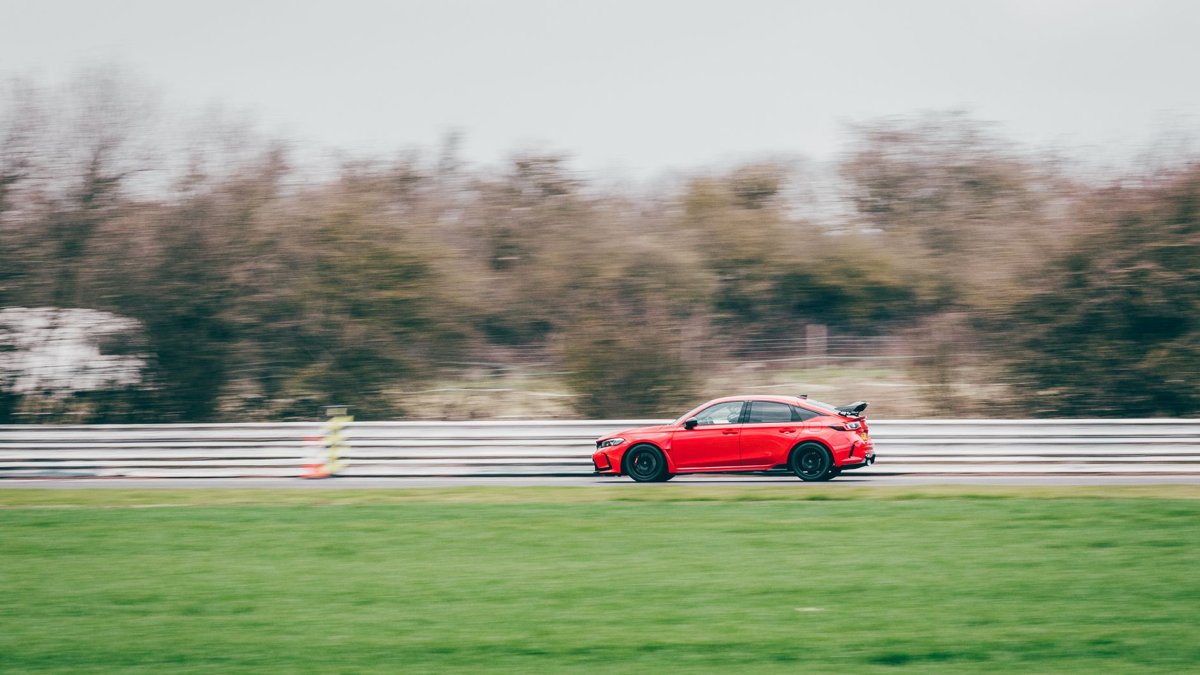
UK circuits run track days right through winter, and the cold months are often the cheapest, quietest way to get seat time. Through the current 2026/27 season you can book dates at Donington Park, Oulton Park, Anglesey, Snetterton, Castle Combe and Silverstone, with prices from around £139 to £189 for a UK day. The catch is grip: below 7°C a normal track tyre loses a big chunk of its bite, so the way you drive — and the way you prep the car — matters more in January than it does in July.
Here's what's actually confirmed for winter track days UK drivers can book now, what cold conditions do to tyres and brakes, and how to get a clean, quick day out of near-freezing tarmac.
Winter track days you can book now (2026/27)
Dates and prices do move, so always confirm with the organiser before you travel. These are live examples from the current winter diary:
| Date | Circuit | Format | Noise limit | Price |
|---|---|---|---|---|
| 2026-11-20 | Snetterton 300 | All day 07:30–17:00 | 92 dB | £139 |
| 2026-11-23 | Castle Combe (36-car) | Open pit lane | 100 dB | £189 |
| 2026-12-11 | Donington Park | Open pit lane | 98 dB | £179 |
| 2026-12-18 | Oulton Park | Open pit lane | 105 dB | £159 |
| 2026-12-19 | Anglesey | Open pit lane | 105 dB | £159 |
| 2027-03-01 | Silverstone GP (3.66 miles, Mission Motorsport charity day) | Full GP layout | 102 dB drive-by | £470 |
Organisers keep the winter calendar well stocked. Circuit Days lists upcoming dates across eight circuits including Anglesey, Donington Park, Oulton Park and both Nürburgring layouts. OpenTrack has 21 upcoming trackdays between September 2026 and March 2027 across 13 circuits, taking in Brands Hatch, Cadwell Park, Castle Combe and the Nordschleife. The quieter noise limits on some winter dates — 92 dB at Snetterton, 98 dB at Donington — are worth checking against your car; many open pit lane days run looser limits so you can grab track time whenever you like.
The fastest way to compare everything in one place is the trackday calendar and the UK & European trackday list, where you can filter by date, circuit, price and noise limit. Winter dates genuinely do sell out despite the cold, so book early and set up email alerts for availability and price drops.
Why a cold track changes everything
The headline figure to remember is 7°C. Below seven degrees, the performance of a normal 'summer' or track tyre deteriorates — grip and braking both drop off because the rubber hardens. Cold-weather compounds use a higher percentage of silica to stop that happening, which is exactly why a winter road tyre can feel more planted on a frosty morning than a focused track tyre.
Cold tyres simply have far less grip than warm ones, and loading them hard before they've reached operating temperature is the classic way to spin on your out lap. Slick tyres make this worse: in near-freezing temperatures they stay rigid until warm and the sidewalls become brittle, so avoid riding the kerbs on your first lap out of the pits.
Treat the opening session as a warm-up, not a qualifying lap:
- Drive the first lap as if the surface is ice — because in places it may as well be.
- Warm the tyres gradually: brake firmly on the straights and build speed through corners rather than attacking kerbs cold.
- Give tyres, brakes, engine oil and gearbox lubes a few laps to reach temperature before you start chasing lap times.
- Watch the shaded sections. On a forecast 5°C afternoon most of the circuit becomes quite grippy, but corners that sit in shadow stay very slippery all day.
Cold and dry can be glorious. One of the best reported UK winter days was a February outing at Donington — bright sunshine, but the air never climbed above 2°C. The approach that made it work was simple: start slow, build heat into the tyres, then progressively increase pace. Leave your safety systems on, too; the forum consensus for cold-weather running is to keep ABS and stability control switched on.
Tyres and pressures in the cold
Compound choice matters more in winter than at any other time of year. Softer, road-biased performance tyres (a Pilot Super Sport type) tend to work better in the cold than hard track-focused rubber like Cup 2s, which take longer to come up to temperature. The original Pilot Sport Cup had a reputation for being frankly horrible until it was hot. None of that is a manufacturer promise — it's hard-won paddock experience — but it's consistent enough to plan around.
Running winter tyres on track is possible. One UK owner found it perfectly fine as long as they kept to ten- to fifteen-minute sessions to avoid overheating the tyres. The trade-off is that winter tyres can feel very "wobbly" on their soft sidewalls, which can upset the car at the limit — so don't expect precision.
Pressures are where cold days catch people out:
- Set your cold pressures 2–4 PSI higher than you'd run on a warm afternoon, and accept a slow warm-up before the first genuinely quick lap.
- Air temperature matters: pressure drops roughly 1 PSI for every 10°C fall in temperature, so a tyre set in a warm garage will read lower out in the cold pit lane.
- Once you're running, hot pressures climb sharply — as the track surface heats up, pressures can spike by 10 PSI or more during a session. Check them between sessions and bleed back to target.
- Michelin's baseline is to start at the car manufacturer's recommended pressure and never drop below the manufacturer's road-use figure, even on warm tyres.
One point to be honest about: some drivers lower pressures to help a cold tyre squirm and build heat faster. That directly conflicts with Michelin's "never below road pressure" guidance. If you try it, do so cautiously and bring pressures back up as the tyre comes in — don't treat lower-than-road pressures as universally safe.
Brakes and fluid: non-negotiable in any season
Brakes don't care that it's cold once you're on pace, and winter does nothing to excuse tired fluid. Old brake fluid absorbs moisture and boils under hard use, giving you a long or completely dead pedal in the middle of a braking zone — the last thing you want on a slippery circuit.
Flush with fresh fluid within a week or two of your day. Standard DOT 4 has a dry boiling point of around 230°C, which track driving can exceed, so DOT 4 is the minimum and a high-temperature DOT 4+ (around 260°C) or a dedicated racing fluid is worth it if you're pushing hard. Fresh, high-boiling-point fluid is cheap insurance against a cold-track moment.
Is a winter track day worth it?
Yes — if you go in with the right expectations. You'll get cheaper entries, quieter circuits and more track time, and cold, dry days teach you an enormous amount about car control and tyre management. The cars themselves love the cold air. Just don't book a winter day expecting a personal best on lap one; the reward is a full day of learning to build and read grip.
Frequently asked questions
Do UK circuits really run track days in winter?
Yes. There's a full winter diary across circuits like Donington Park, Oulton Park, Anglesey, Snetterton, Castle Combe and Silverstone, with organisers such as Circuit Days, OpenTrack and Goldtrack running dates from November through to March. Check the trackday calendar for live availability.
What tyre pressures should I run on a cold track day?
Set cold pressures 2–4 PSI above your usual warm-afternoon target and expect a slow warm-up. Remember hot pressures can rise 10 PSI or more during a session, so check and bleed back between runs. As a baseline, start at the car maker's recommended pressure and don't go below their road-use figure.
Can I use winter tyres on a track day?
You can, and in near-freezing conditions a winter or softer road tyre may actually out-grip hard track rubber that won't come up to temperature. Keep sessions to 10–15 minutes to avoid overheating them, and be ready for soft, "wobbly" sidewalls that reduce precision at the limit.
Are winter track days cheaper?
Often, yes. Current UK winter dates run from around £139 to £189, and circuits are generally quieter, meaning more clear track for your money. Popular dates still sell out, so book early and set up availability alerts.
Looking for a date? Browse every UK & European trackday or get email alerts when new ones appear.