
09 June 2026
Track Days UK: How to Find, Compare and Book the Right Event
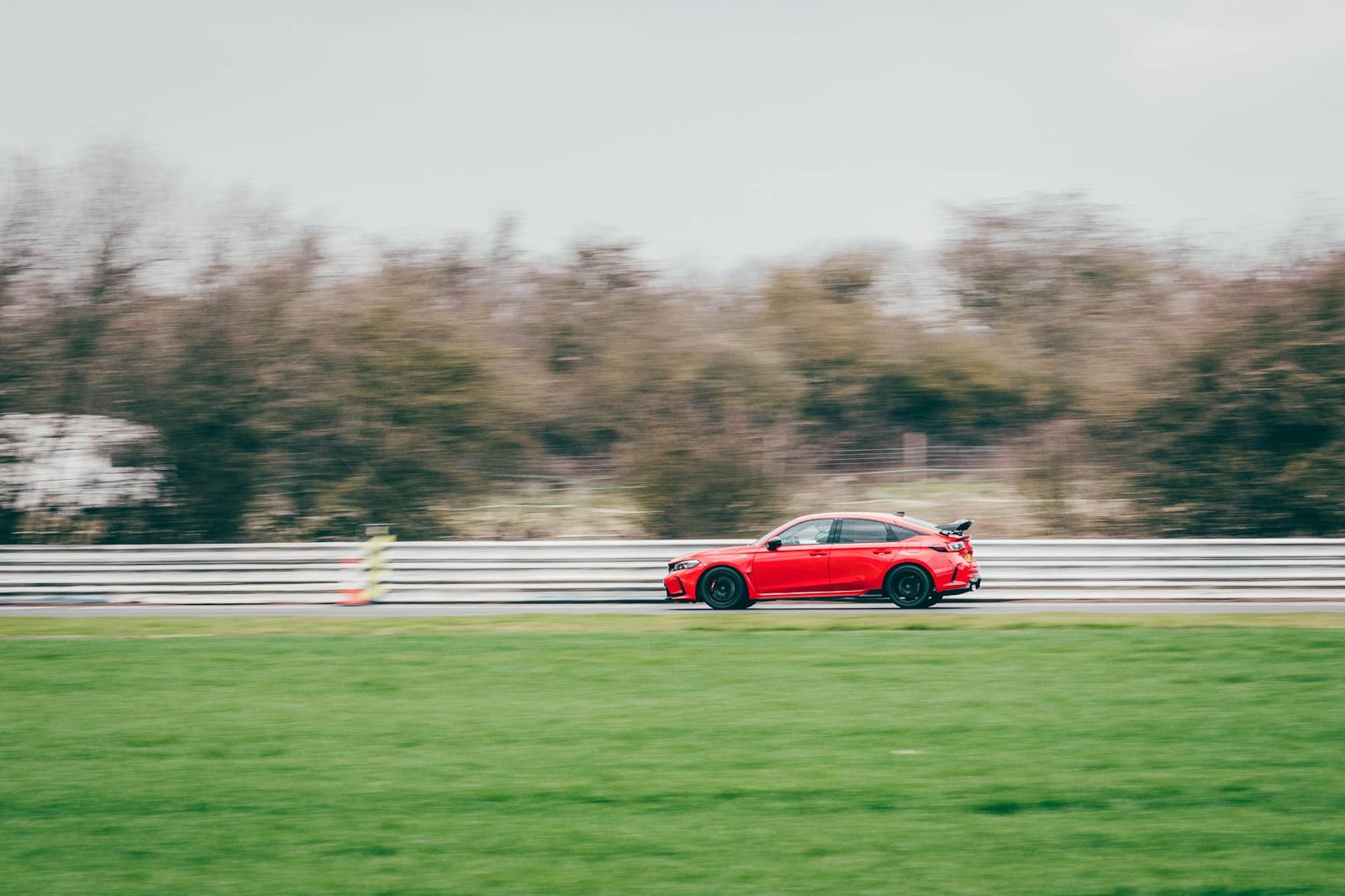
Searching for track days UK throws up a confusing spread of circuits, organisers, formats and prices. One operator quotes £159 for an open pit-lane session, another £329 for the same circuit on a different date, and the noise limit varies by 10dB between them. This guide cuts through the noise (sometimes literally) so you can find the right event, compare like for like, and book before it sells out.
Whether you’re a first-timer eyeing a sighting-lap taster or a regular who tracks a caged hatchback every fortnight, the same fundamentals apply: know the format, check the noise limit, watch availability, and book early. Here’s how to do all four properly.
What “track days UK” actually covers
The UK has more circuits per square mile than almost anywhere in Europe, and the events on offer fall into a few broad categories. Understanding which is which saves money and frustration.
- Open pit lane (OPL): Come and go as you please. Maximum track time, but busier and less structured. Best for experienced drivers and riders.
- Sessioned days: Run in groups (often by experience level or car/bike type) on a rolling timetable. More predictable, calmer traffic, ideal for novices.
- Novice and taster days: Reduced numbers, briefings, sighting laps and often instructor-led. The sensible entry point if you’ve never driven on a circuit.
- Trackday vs. test day: Test days are typically club-affiliated and quieter; trackdays are open to the public. Pricing reflects the difference.
Most UK circuits run both car and bike track days, but rarely on the same day. Always confirm which discipline an event is before you book.
The circuits worth knowing
The UK calendar is dominated by a handful of well-run venues. Each has its own character, lap length and — crucially — noise limit.
- Brands Hatch (Kent): The Indy circuit is short, technical and brilliant for beginners; the GP loop is a step up. Strict static noise limits, so check before towing down.
- Silverstone (Northamptonshire): Fast, flowing and forgiving run-off. A bucket-list venue that books up months ahead.
- Donington Park (Leicestershire): The Craner Curves are a rite of passage. Central location, popular with both cars and bikes.
- Oulton Park (Cheshire): Undulating, scenic and unforgiving — a favourite among experienced regulars.
- Cadwell Park (Lincolnshire): The “mini Nürburgring”, famed with bike riders for the Mountain.
- Snetterton, Bedford, Anglesey, Castle Combe: All run regular open and sessioned days at sensible prices.
If you’re ready to travel further, the same comparison logic applies to European venues — Spa-Francorchamps, the Nürburgring and the Circuit de Barcelona-Catalunya all feature heavily on the calendar, often at prices comparable to a premium UK day once you factor in the experience.
Noise limits: the detail that ruins days out
More UK track days are cut short by noise than by mechanical failure. Limits are usually quoted as a static figure (measured at 0.5m from the exhaust at a set RPM) or a drive-by figure. Common static limits range from 98dB to 105dB, with some quieter venues capping at 92–95dB on certain dates.
If your car or bike is loud, filter for higher-limit days before anything else. Being black-flagged at lunchtime with the full fee paid is the most avoidable mistake in track driving.
A decent aftermarket exhaust on a hot hatch can easily breach a 98dB static limit. If in doubt, get measured at a previous event or fit a baffle. Specialist parts and tuning work — including quieter track-legal exhaust setups — are the kind of thing precision engineering outfits like Graham Martin Racing handle day to day. Related: their take on The Future of Digital Manufacturing shows where bespoke parts production is heading. Related: if you ever prototype or 3D-print custom track parts, this guide on why 3D prints fail and how AI photo diagnosis fixes it fast is worth a read.
How to compare track days UK prices fairly
Headline prices are rarely comparable on their own. Before you decide an event is “cheap”, check what’s bundled in:
- Track time: A £159 sessioned day giving 90 minutes on track can be worse value than a £229 open pit-lane day giving five hours.
- Group size: Fewer cars means more clear laps. A capped day at £250 often beats an oversubscribed one at £180.
- Garage, tuition and passenger options: Instructor sessions and garage hire are usually extras — factor them in.
- Booking fees and cancellation terms: Read the small print. Weather-related transfer policies vary wildly between organisers.
This is exactly why an aggregator is useful: rather than tabbing between a dozen organiser sites, you can browse, filter and compare dates, prices, noise limits and availability across more than 1,800 events in one place, then click through to the organiser to book. Set up email alerts for price drops and sell-outs on the circuits you care about, and you’ll never miss a release.
Booking strategy: how to get the date you want
Popular dates — bank holidays, summer weekends and any Silverstone GP-layout day — go quickly. A few habits make a real difference:
- Book early: Three to four months ahead for premium venues, especially in peak season.
- Watch midweek: Tuesday and Thursday dates are quieter and often cheaper than weekends.
- Set availability alerts: Sell-outs get cancellations. Alerts catch returned spaces the moment they reappear.
- Go off-season: Late autumn and winter days are cheap, quiet and surprisingly good — bring the right tyres.
What to prepare before your first track day
You need less than most newcomers expect, but the essentials are non-negotiable.
- A car or bike in good mechanical order — fresh brake fluid, healthy pads and decent tyres.
- A helmet meeting the event’s standard (often loanable for cars; bring your own for bikes).
- Comfortable clothing covering arms and legs for cars; full leathers for bikes.
- Empty the boot or top box — loose items become projectiles.
- Check your road insurance covers track use, or arrange dedicated cover. Most road policies do not.
Attend the mandatory drivers’ or riders’ briefing, learn the flags, and remember the golden rule: build pace gradually. Lap times come from consistency, not heroics on your out-lap.
Frequently asked questions
How much does a track day in the UK cost?
Expect roughly £130–£350 per day depending on circuit, format and time of year. Sessioned and midweek days sit at the lower end; premium open pit-lane days at flagship circuits like Silverstone sit at the top. Extras such as tuition and garage hire are usually additional.
Do I need a special licence or car for a track day?
No racing licence is required for a standard public track day — a valid driving licence is enough. Most road-legal, mechanically sound cars are welcome, though some organisers restrict certain vehicle types. Always check the event’s regulations and noise limit first.
Are UK track days suitable for complete beginners?
Yes. Look specifically for novice or taster days with smaller numbers, briefings and optional instruction. Sessioned events grouped by experience are gentler than open pit-lane days, where faster traffic mixes freely.
How far ahead should I book?
For popular circuits and peak weekends, three to four months is sensible. Midweek and off-season dates can often be booked closer to the day, but setting an availability alert is the safest way to secure a sell-out date.
Find your next track day
The fastest route to the right event is to compare everything in one place: filter by location, date, circuit, discipline, budget and noise limit, then book direct with the organiser. Decide your format, respect the noise limit, and — as ever — book early.
Related: Car Track Days UK: A No-Nonsense Guide to Booking, Pricing and Circuits
Related: Bike Track Days UK: How to Find, Compare and Book Your Next Session
Looking for a date? Browse every UK & European trackday or get email alerts when new ones appear.