
European Track Days: Costs, Best Circuits, Noise Limits and How to Book
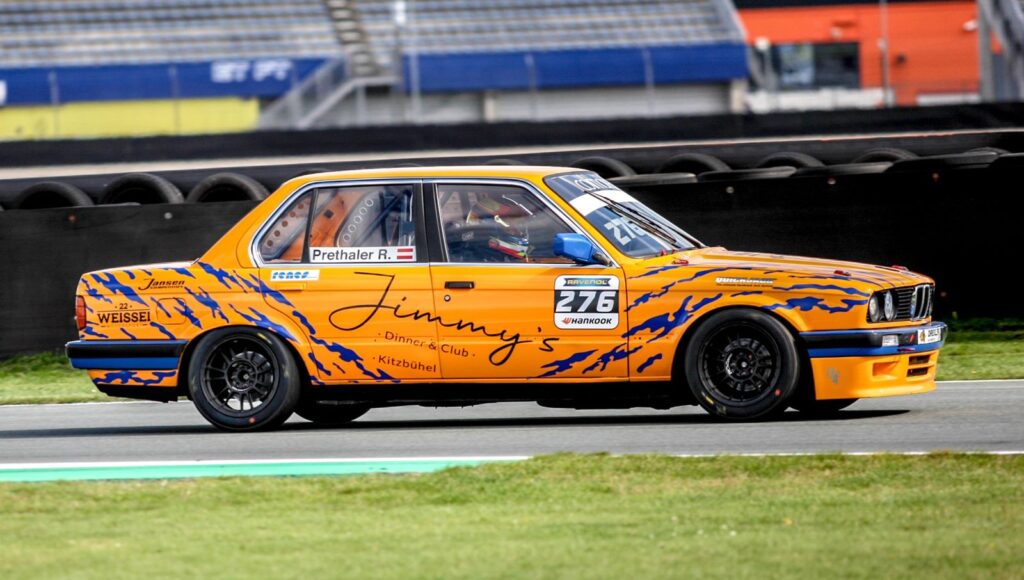
For UK drivers and riders willing to travel, European track days open up some of the best circuits on the planet — Spa-Francorchamps, the Nürburgring, Magny-Cours, Mugello and more — often at prices that undercut a premium day at home. But booking abroad comes with its own quirks: ferry and tunnel logistics, noise limits that vary wildly, insurance gaps and the small matter of driving on the right. This guide lays out what a European track day actually costs, which circuits are worth the trip, and how to get booked in without nasty surprises.
Why bother with European track days?
Three reasons keep British enthusiasts crossing the Channel: the circuits, the value, and the weather window. Mainland Europe is home to a density of historic and modern Grand Prix venues you simply can’t match in the UK, and many run open pit-lane (rather than tightly marshalled session) days that suit experienced drivers wanting maximum track time.
- Better circuits per pound. A day at Spa or the Nürburgring GP track can be comparable to — or cheaper than — a premium UK day at Silverstone GP, while offering far more lap.
- Generous or non-existent noise limits. Plenty of European venues are far more relaxed than UK circuits hemmed in by residential planning conditions. Good news for de-cat exhausts and track-prepped cars.
- Longer season and dry spells. Southern France, Spain, Italy and Portugal offer reliable track weather well into autumn and from early spring.
If you’re still weighing up home versus abroad, our overview of how to find, compare and book the right track day is a useful starting point.
What European track days cost
Prices vary enormously by circuit, operator and format, but as a rough guide for car days:
- Mid-tier European circuits (e.g. Zandvoort, Zolder, Magny-Cours): roughly £150–£300 per car day.
- Premium venues (Spa-Francorchamps, Nürburgring GP): roughly £300–£600+ depending on operator and whether it’s open pit-lane or sessioned.
- Nürburgring Nordschleife (Touristenfahrten): priced per lap rather than per day — typically around £25–£35 a lap, with multi-lap tickets available.
Then add the costs that don’t appear on the booking page: Channel crossing (£100–£250 return by ferry or Eurotunnel, more with a trailer), fuel, tyres, accommodation, and track day insurance. Build a full budget before you commit — our guides on comparing track day prices across the UK and Europe and finding low-cost days without the catch apply just as much abroad.
The best circuits for a European track day
Spa-Francorchamps, Belgium
The benchmark for most UK enthusiasts: 7 km of fast, flowing, elevation-rich tarmac through the Ardennes, with Eau Rouge–Raidillon as the headline. Only around three hours from Calais, it’s the most accessible “bucket list” circuit. Note the strict noise rules. See our dedicated guide to a Spa-Francorchamps track day for costs, layout and the all-important noise limits.
Nürburgring, Germany
Two circuits in one: the modern GP track and the legendary 20.8 km Nordschleife. The Nordschleife runs on a public-toll basis (Touristenfahrten) with its own etiquette and risks — it’s not a conventional track day. Read our Nürburgring track day guide before you go to understand lap types and what to expect.
Other circuits worth the drive
- Zandvoort (Netherlands): banked corners, dunes and a short hop from the ferry ports.
- Zolder (Belgium): technical, well-priced and easy to reach.
- Magny-Cours (France): a former F1 venue with a good mix of corner types.
- Mugello (Italy): a spectacular, fast circuit and a worthy long-haul target.
- Portimão (Portugal): rollercoaster elevation and reliable sunshine for end-of-season trips.
Noise limits abroad
Noise is where European track days differ most from the UK. Some venues — Spa among them — enforce drive-by and static limits that catch out loud track cars and bikes, while others are far more permissive. Always check the specific limit for your event before booking, and factor in that limits can differ between car and bike days at the same circuit. For riders, the same logic applies as at home; our bike track days guide covers the noise and kit basics that carry over to European events.
Logistics: getting your car or bike there
- Crossing: Eurotunnel is fastest for the Channel; ferries can be cheaper, especially with a trailer. Book early for the best fares.
- Driving vs trailering: Driving your track car there saves money but risks your only transport home if something breaks. A trailer and tow car is the safer call for hard-driven or marginal cars.
- Documents: carry your V5C (or a VE103 hire-vehicle certificate), valid insurance, MOT, driving licence and passport. A UK sticker is required on the vehicle.
- Kit for Europe: headlamp beam deflectors, a warning triangle, and high-vis vests are mandatory in many countries. France requires specific equipment too.
- Driving on the right: obvious, but the road to and from the paddock catches people out — concentrate at junctions and roundabouts.
Insurance and breakdown cover
Standard road insurance almost never covers on-track damage, and most European policies exclude track use entirely. Arrange dedicated track day insurance (on-track damage cover) for the event, and separately confirm your European breakdown and recovery covers the countries you’re crossing — ideally with cover that gets you and the car home, not just to the nearest garage. Spares, fluids, tools and a basic toolkit are worth the boot space when the nearest dealer is in another language.
Preparing for your first trip abroad
If this is early in your track day journey, build experience at home first. A couple of UK days — see our guide to novice track days — will mean the European trip is about enjoying a great circuit rather than learning the basics under pressure. For car-specific preparation and circuit choice, our no-nonsense car track days guide is the companion read.
If you’re prepping a project car for serious continental use — say adding individual throttle bodies for a sharper response — it pays to use kit that’s properly matched to your engine. For example, the throttle-body specialists at GMR cover popular platforms in detail, like K20 individual throttle bodies and Peugeot XU throttle bodies.
How to find and book European track days
Dates and availability at the marquee circuits move fast, and prices for the best operators rise as events fill. The practical approach:
- Search and filter by country, circuit, date and price on Trackday Finder, which compiles over 1,800 UK and European events from numerous organisers in one place.
- Compare noise limits and format (open pit-lane vs sessioned) before committing.
- Set email alerts for price drops and sell-outs on the circuits you want.
- Book your crossing and accommodation at the same time — they’re often the bigger logistical bottleneck.
Book early. The popular Spa and Nürburgring dates, in particular, sell out months ahead.
FAQ
Are European track days cheaper than UK ones?
The day itself can be comparable or cheaper, especially at premium circuits, but you must add travel, accommodation, fuel and insurance. For a single day, the UK is usually cheaper overall; for a long weekend taking in a world-class circuit, Europe often wins on value.
Do I need special insurance for a track day in Europe?
Yes. Road insurance generally excludes on-track damage, so arrange dedicated track day (on-track) cover. Separately, make sure your European breakdown and recovery includes the countries you’ll cross and ideally repatriation.
What’s the easiest European circuit to reach from the UK?
Spa-Francorchamps and Zolder in Belgium, and Zandvoort in the Netherlands, are all within a few hours of the Channel crossing, making them the most popular first trips abroad.
Can I do the Nürburgring Nordschleife as a normal track day?
Not quite — public Touristenfahrten sessions are priced per lap and run more like a one-way toll road than a marshalled track day, with mixed traffic and specific rules. Check our Nürburgring guide before going.
Related: Nürburgring Touristenfahrten Dates: How to Find Open Track Days and Plan Your Trip
Leave a Reply