
Beginner Track Day UK: A No-Nonsense Guide to Your First Circuit Day
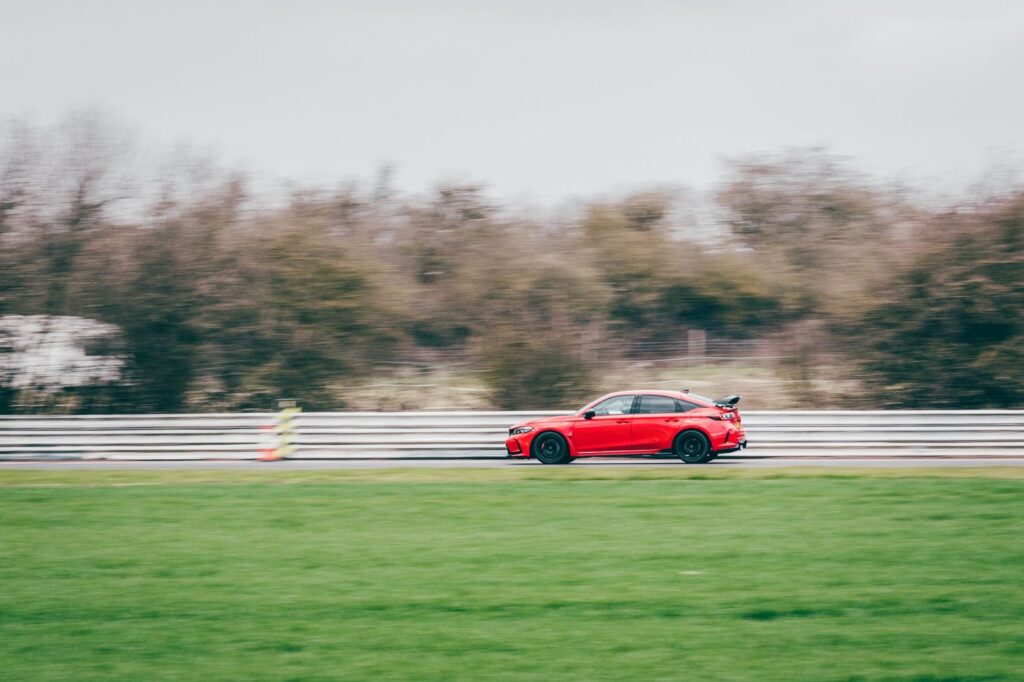
Booking a beginner track day UK event is far simpler than most people expect — no race licence, no roll cage, and in most cases no special training required. If your car or bike is roadworthy and you turn up with a helmet that fits, you can be lapping a proper circuit by mid-morning. The hard part isn’t the driving; it’s knowing which day to book, what it costs, and how to avoid the rookie mistakes that ruin an otherwise brilliant day out.
This guide walks you through the practical detail: the day formats that suit first-timers, realistic prices, the kit you actually need, and how the noise and scrutineering checks work. It’s written for the nervous newcomer as much as the keen petrolhead finally taking the plunge.
What a beginner track day in the UK actually involves
A track day is open-pit-lane or sessioned lapping on a closed circuit — not a race. There’s no grid, no timing for position, and overtaking is controlled (almost always on designated sides, with a point-by so the car ahead waves you through). The aim is to enjoy your own vehicle, build confidence, and improve your lines over the course of a day.
Most days run from roughly 08:00 sign-on to 17:30, with a compulsory drivers’ briefing you must attend before you go out. Miss it and you don’t drive — so arrive early. Sessions are typically split by experience or run open pit lane, giving you the flexibility to come in whenever you want a breather.
Sessioned vs open pit lane
- Sessioned days divide drivers into novice, intermediate and advanced groups, each getting roughly 15–20 minutes on track in rotation. This is ideal for beginners — you’re out with similarly paced drivers and there’s natural rest between runs.
- Open pit lane lets you go out whenever the track is green. It’s more relaxed but mixes all abilities, so faster traffic will pass you regularly. Fine once you’ve found your feet; a little daunting on day one.
For a first outing, a sessioned or specifically novice track day is the sensible choice. Several organisers run beginner-only events with extra instruction built in.
How much does a beginner track day cost?
Prices vary by circuit, date and demand, but as a rough UK guide:
- Quieter weekday days at smaller circuits: £99–£149
- Mainstream weekend days: £159–£229
- Premium circuits (Silverstone GP, Brands Hatch GP): £250–£399+
Add fuel (you’ll use a surprising amount — budget a full tank or more), and a few sensible extras. If you’re watching the pennies, midweek dates and lesser-known circuits offer the best value. Our guide to cheap track days in the UK covers how to find genuinely low-cost days without hidden catches. You can also browse and filter by budget directly on Trackday Finder to compare prices across operators in one place.
One-to-one instruction, where offered, usually runs £25–£40 per 20-minute session. For a first day it’s money well spent — a good instructor will shave minutes off your learning curve and, just as importantly, keep you safe.
Choosing the right circuit for your first day
Don’t let ambition write a cheque your nerves can’t cash. The Nürburgring and Spa are bucket-list venues, but they’re not where you want to learn. For a UK beginner, look for a flowing, forgiving layout with good run-off and few unsighted corners.
- Good starter circuits: Bedford Autodrome, Donington Park, Snetterton, Anglesey, Castle Combe and the Brands Hatch Indy loop.
- Save for later: Cadwell Park (technical and unforgiving) and full GP layouts until you’ve a couple of days under your belt.
If you’d rather stay local to cut travel and overnight costs, use our guide to finding track days near you. For the big-name venues, we’ve detailed breakdowns of Silverstone track days and Brands Hatch track days, including layouts and noise limits.
What you need to bring
The kit list for a beginner track day is shorter than you’d think:
- Helmet — required for all. Many circuits accept a road-legal ECE 22.05/22.06 helmet for cars; check the organiser’s terms. Hire helmets are usually available for around £10–£20.
- Long sleeves and trousers — for cars, natural fibres are preferred. Bikers need full leathers, gloves and boots.
- A roadworthy vehicle with good tyres, healthy brakes and fresh-ish fluids. There’s no MOT-style scrutineering for cars at most days, but it must be safe.
- Driving licence for sign-on.
Before you go, give the car a basic once-over: tighten the wheel nuts to spec, check tyre pressures (you’ll often run a few psi lower hot), remove loose items from the cabin and boot, and top up the brake fluid if it’s old. Track use is hard on brakes and tyres — they’ll get far hotter than on the road.
Noise limits — the thing beginners forget
Every UK circuit has a noise limit, typically measured static (engine held at a set rpm beside the exhaust) and/or as a drive-by figure. Common static limits sit around 98–105 dB(A), with stricter circuits near residential areas enforcing lower drive-by figures. Get black-flagged for noise and your day ends early.
Standard road cars almost always pass with ease. The risk is for cars with aftermarket exhausts or track-focused bikes. If in doubt, check the circuit’s published limit before booking — every listing on Trackday Finder shows the noise limit so you can filter accordingly. Riders should read our dedicated motorcycle track days guide, which covers bike-specific noise and kit rules in detail. For more on finding and comparing bike events, see our guide to bike track days in the UK.
On the day: a beginner’s running order
- Arrive early (sign-on often opens 07:30–08:00). Park in the paddock, sign on, get your wristband.
- Attend the briefing. It covers flags, overtaking rules and pit-lane procedure — non-negotiable.
- Sighting laps. The first session is about learning the circuit, not lap times. Build up gradually.
- Watch the flags. Yellow means caution, no overtaking; red means stop sessions and return to the pits; blue means faster traffic behind — let them by.
- Rest between sessions. Concentration fades fast. Hydrate, eat, and let the brakes cool.
First-day advice that never gets old: smooth is fast. Brake in a straight line, look where you want to go, and leave your ego in the car park. Lap times come with repetition, not bravery.
Looking after your car (and improving it later)
A standard car copes fine with the occasional track day. If you catch the bug, the usual first upgrades are better brake pads and fluid, then tyres — not power. Plenty of enthusiasts eventually chase reliable, repeatable performance through proper tuning; if that’s your direction, specialists like GMR’s engine calibration work show what’s involved in extracting power that actually holds up under track conditions. If you’re running a Peugeot, GMR also cover how to choose Peugeot XU throttle bodies that fit your head and make real power.
Frequently asked questions
Do I need a race licence for a beginner track day in the UK?
No. Track days are non-competitive, so no race licence is needed. You’ll just need a valid driving licence for sign-on. A few advanced circuits ask for prior experience, but beginner and novice days have no such requirement.
Can I use my normal road car?
Yes — most beginners run a standard, road-legal, insured car. Make sure tyres, brakes and fluids are in good condition, and check whether your insurer covers track use (many don’t; specialist day cover is available). Hire cars and lease vehicles are usually prohibited.
How fast will everyone else be going?
On a sessioned novice day, you’ll share the track with similarly inexperienced drivers, so the pace is comfortable. On open pit lane days you’ll see a full range of speeds — just hold your line and use your mirrors so faster cars can pass safely.
What’s the best time of year to book?
Spring and autumn offer cooler temperatures that are kinder to tyres and brakes, plus often cheaper midweek dates. Popular weekend days sell out weeks ahead, so book early and set a price-drop alert if you’re flexible on dates.
Ready to book your first day?
The best beginner track day is a quiet midweek date at a forgiving circuit, with an instructor session booked in and your car given a sensible pre-flight check. Compare dates, prices, noise limits and availability across hundreds of UK events on Trackday Finder, and set an alert so you don’t miss a price drop. Book early — the good novice days fill up fast.
Related: Donington Park Track Days: Costs, Layout, Noise Limits and How to Book
Related: Snetterton Track Days: Costs, Layout, Noise Limits and How to Book
Related: Anglesey Track Days: Costs, Layouts, Noise Limits and How to Book
Related: Cadwell Park Track Days for Bikes: Costs, Layout, Noise Limits and How to Book
Leave a Reply