
Novice Track Days UK: How to Choose Your First Circuit Day and Get Booked In
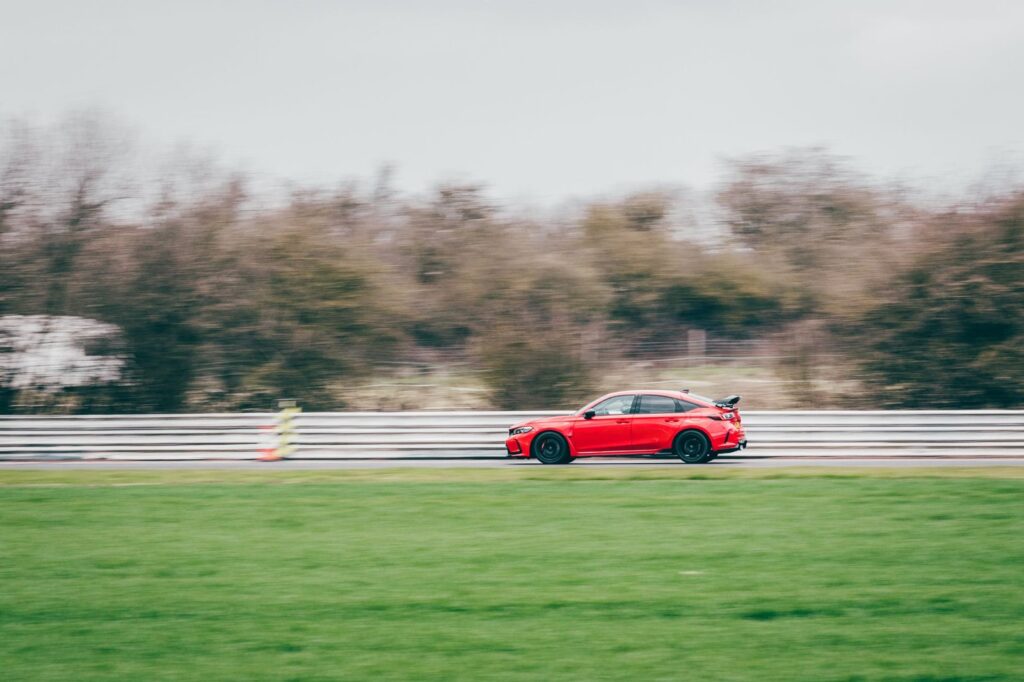
If you’ve never driven your own car or ridden your bike on a circuit, the good news is that novice track days UK events are easier to find — and far less intimidating — than most people expect. The right first day is well-marshalled, runs sensible sessions, gives you proper guidance and lets you build pace at your own rate. This guide covers what “novice” actually means, how the day is structured, what it costs, what you’ll need and how to book before the good dates sell out.
What counts as a novice track day?
“Novice” is used a couple of different ways, so it’s worth being clear before you book:
- Beginner/novice-only days — the whole event is aimed at first-timers. Pace is calmer, briefings are thorough, and instructors are usually on hand. Ideal for your very first outing.
- Sessioned days with a novice group — drivers are split by experience into novice, intermediate and advanced groups, each running in rotation. You stay with people of similar pace.
- Open pit-lane days — you come and go as you please. More track time, but less structure. Better once you’ve got a day or two under your belt.
For a first event, choose a novice-only or clearly sessioned day. You’ll learn more, feel calmer and almost certainly enjoy it more.
How a novice day is structured
Most novice and sessioned days follow a familiar rhythm:
- Sign-on and noise test. You’ll show your licence, sign a disclaimer and have your car or bike noise-tested. Arrive early — queues build fast.
- Drivers’ briefing. Mandatory. Flags, overtaking rules, pit-lane procedure and circuit-specific notes are covered here. Don’t skip it; you won’t be allowed on track if you do.
- Sighting laps. Often led behind a pace car so you can learn the racing line at a sensible speed.
- Sessions. Typically 15–25 minutes on track, then a rest while another group runs. Use the downtime to cool off, hydrate and reflect on what worked.
Overtaking rules matter most on a novice day. On nearly all UK days, passing is restricted to designated zones (often the straights) and only with a clear signal. It keeps everyone safe and predictable.
What does a novice track day cost?
UK pricing varies by circuit, season and how much track time you get. As a rough guide:
- Sessioned car days: around £130–£230.
- Open pit-lane car days: around £150–£260, depending on circuit prestige.
- Bike days: broadly £130–£220, often split into novice/inter/fast groups.
- Premium circuits (Silverstone GP, Brands Hatch GP) command higher prices than club layouts.
Midweek dates and winter slots are usually cheaper. If budget is the priority, read our guide to finding cheap track days without the catch and our walkthrough on comparing track day prices so you know what’s included before you pay.
What kit do you need?
For cars: a helmet to the required standard (many organisers hire them), long sleeves and trousers in natural fibres, and sensible footwear. Your car needs to be mechanically sound — good tyres, fresh brake fluid, no fluid leaks and plenty of pad left.
For bikes: full leathers (one- or two-piece that zips together), back protector, gloves, boots and an in-date helmet. Tape over lights and mirrors is often required. Tyre condition matters even more than on a car day.
If you’re riding rather than driving, our dedicated guides to motorcycle track days in the UK and bike track days cover kit and group structure in more detail.
Noise limits — the thing newcomers forget
Most UK circuits enforce static and/or drive-by noise limits, commonly in the 98–105 dB range depending on venue and day. Quiet days are stricter. A standard road car usually passes easily; a track-prepped car or a bike with an aftermarket exhaust may not. Always check the limit for your specific date before booking, and fit a baffle if needed. Failing the noise test at sign-on means you don’t run — and you rarely get a refund.
Choosing a beginner-friendly circuit
Some circuits are kinder to newcomers than others. Wide, flowing layouts with good run-off let you build confidence; tight, unforgiving tracks with walls close to the track are best left until later. Popular novice-friendly choices include club layouts at well-known venues. For specifics on the big names, see our practical guides to Silverstone track days and Brands Hatch track days. Save the likes of Spa-Francorchamps for once you’ve got real seat time — it’s superb, but not where you want to learn the basics.
How to book a novice track day
Rather than checking each organiser one by one, use Trackday Finder to browse and compare over 1,800 UK and European events in one place. You can filter by date, circuit, price and noise limit, then click through to the organiser to complete the booking. Set up email alerts for price drops and availability changes so you’re first to know when a good novice date opens up.
A simple booking checklist:
- Filter for novice-only or sessioned days at a beginner-friendly circuit.
- Check the noise limit against your car or bike.
- Confirm what’s included — instruction, garage, lunch, sessions.
- Check the cancellation and weather policy.
- Book early. Popular novice dates, especially weekends in spring and summer, sell out weeks ahead.
First-day tips that actually help
- Slow in, fast out. Smoothness beats bravery — you’ll be quicker and safer.
- Use your mirrors on every straight. Let faster traffic through cleanly.
- Take an instructor for a session or two. It’s the fastest way to improve and most organisers offer it cheaply or free for novices.
- Leave margin. Build pace gradually across the day rather than chasing a lap time in session one.
- Check the car between sessions — tyre pressures, brake feel, fluid levels.
FAQs
Do I need a racing licence for a novice track day?
No. A track day is not racing or competition, so a standard road driving licence (or motorcycle licence) is all you need. Some open-pit-lane days for cars are licence-free for passengers, but you, the driver, need a valid licence to drive.
Will my road car be fast enough — or get damaged?
A standard, well-maintained road car is fine for a first track day; you’re there to learn, not to set records. The main wear items are tyres and brakes, which work harder on track. Check pads, fluid and tyre condition beforehand and you’ll be in good shape.
Can I take a passenger?
Often yes, provided they wear a helmet and the organiser permits it on that day. Policies vary, so confirm when you book. Passengers are a great way to share the experience, but they must follow the same safety rules.
What happens if it rains?
Track days run in the wet — it’s actually a safe, low-grip way to learn car control. Days are very rarely cancelled for weather. Check the organiser’s specific weather and cancellation policy before booking so you know where you stand.
Your first circuit day should be about learning, enjoying the car or bike and coming home with a grin. Pick a novice-friendly day, check the noise limit, sort your kit and book early — then let the laps do the rest.
Related: Beginner Track Day UK: A No-Nonsense Guide to Your First Circuit Day
Related: European Track Days: Costs, Best Circuits, Noise Limits and How to Book
Leave a Reply