
Spa-Francorchamps Track Day: Costs, Layout, Noise Limits and How to Book
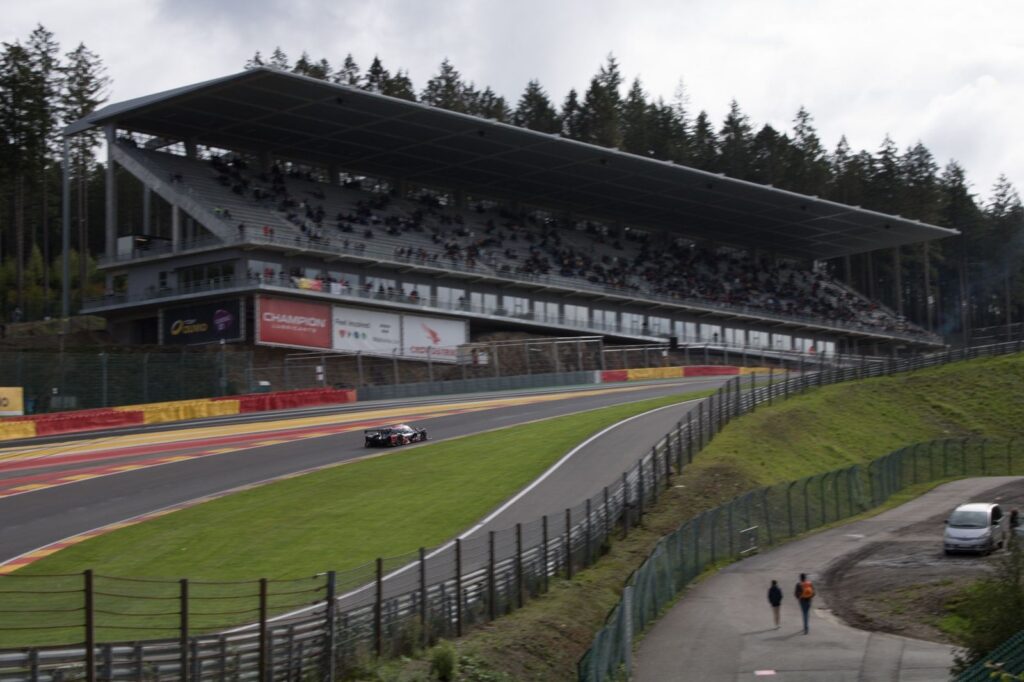
A Spa-Francorchamps track day sits near the top of most enthusiasts’ bucket lists, and for good reason. The full Grand Prix circuit runs to 7.004km, climbs and drops through the Ardennes forest, and includes Eau Rouge–Raidillon — arguably the most famous corner sequence in motorsport. This guide covers what it actually costs, how the day is run, the noise limits you need to clear, and how to book without getting caught out.
Whether you drive a car or ride a bike, Spa rewards preparation. It is fast, committing and weather can turn in minutes. Read this before you commit a deposit, and use our circuit guides to cross-check dates and availability.
Why Spa-Francorchamps is worth the trip
Spa is a genuine destination circuit. Most UK enthusiasts treat a Spa-Francorchamps track day as a weekend away, factoring in the drive or flight to Belgium, an overnight stay near Stavelot or Malmedy, and the channel crossing. What you get in return is unmatched: long, fast straights down to Les Combes, the high-speed flow of Pouhon, and the climb through Eau Rouge that no video ever quite captures.
- Length: 7.004km full GP layout — one of the longest circuits in regular trackday use.
- Elevation: roughly 100m between the lowest and highest points.
- Corners: 19–20 named turns depending on count, mixing slow hairpins with flat-out kinks.
- Surface: generally excellent grip, though run-off and weather vary across the lap.
Because the lap is so long, sessions feel different to a UK club circuit. You will cover more ground per lap, your fuel and tyres work harder, and there is more space between cars — but closing speeds into corners like Les Combes are high, so discipline matters.
What a Spa track day costs
Pricing varies more than at UK circuits because most days are run by specialist organisers who block-book the venue. As a rough guide for 2024–2025:
- Open pit-lane car days: £350–£600 depending on organiser, season and how many cars are on track.
- Sessioned car days: £300–£500, with groups split by experience or speed.
- Bike track days: typically £200–£350, often run by UK and Dutch organisers.
- Premium or low-noise “quiet” days: can run higher, as they’re harder to schedule.
Add travel: a return Eurotunnel or ferry crossing, fuel for the roughly 350–400km run from Calais, and a night or two of accommodation. Budget realistically and the all-in cost often lands at £700–£1,000 for a weekend. It’s worth comparing organisers carefully — see our guide on how to compare track day prices in the UK and Europe before you put money down.
Noise limits at Spa
This is where Spa catches people out. The circuit sits in a residential valley, and Belgian noise regulations are strict and actively enforced with trackside monitoring.
- Standard limit: commonly 100 dB(A) static, but many days run to a 95 dB(A) drive-by limit.
- “Quiet” days: some events drop to 92–95 dB(A), which excludes a lot of trackday cars and bikes.
- Enforcement: trackside microphones can black-flag you mid-session. Repeat breaches mean your day is over with no refund.
Check the exact limit for your specific date before booking — it is published per event, not per circuit. If your car is loud, a bolt-on baffle or a quieter back-box can be the difference between a full day and being parked. If you ride, the same logic applies; our bike track days guide covers noise kit and prep that translates directly to Spa.
The layout and the corners that matter
You don’t need to memorise every apex before you arrive, but a few sections deserve respect from the first lap.
Eau Rouge–Raidillon
The famous left-right-left up the hill. In most road and trackday cars it is not flat, but it is fast and blind over the crest. Commit progressively over several sessions rather than going in cold.
Les Combes
The hardest braking zone on the lap, at the end of the long Kemmel straight. Closing speeds are deceptive and it’s a common overtaking — and incident — point.
Pouhon
A long, double-apex left-hander taken at high speed. It’s a confidence corner that comes good once you trust the grip.
Blanchimont
A near-flat left near the end of the lap with limited run-off historically. Treat it with respect, especially in the wet.
Weather: the Spa wildcard
The Ardennes microclimate is real. It can be dry at La Source and raining at Stavelot on the same lap. Pack wet-weather gear regardless of the forecast, carry a second set of tyres if you can, and don’t be the person who books a single day and loses it entirely to fog. Where budget allows, a two-day booking hedges your weather risk.
How to book a Spa-Francorchamps track day
Spa days are almost always sold through trackday organisers rather than the circuit’s public diary, and the good dates sell out months ahead. The practical route:
- Search and filter by date, price and noise limit across multiple organisers in one place rather than checking sites one by one.
- Check the noise limit and format (open pit lane vs sessioned) for your exact date.
- Set availability and price alerts so you’re notified of drops or sell-outs.
- Book early — popular summer Spa dates go quickly, and crossings get pricier the longer you leave them.
You can browse and compare available Spa dates alongside other European circuits on TrackdayFinder, then click through to the organiser to complete your booking. If you’re weighing up your first overseas trackday against a home event, our overview of how to find, compare and book the right event is a useful starting point.
Preparation checklist
- Documents: valid licence, breakdown cover that includes track recovery (most policies don’t), and your booking confirmation.
- Car/bike: fresh fluids, good pads and tyres, torque-checked wheels, and a noise check if you’re near the limit.
- Spares: brake fluid, a tyre pump, basic tools, and tape for headlights.
- Fuel: the long lap drinks fuel — plan refuels around session breaks.
- Travel: book the crossing and accommodation early; Spa weekends fill local hotels.
If you’re chasing more induction airflow or considering a louder-but-faster setup, weigh it against Spa’s noise rules first — there’s a good read on getting a motorsport airbox that actually feeds the engine without going overboard.
FAQ
How much is a track day at Spa-Francorchamps?
Expect roughly £300–£600 for the trackday itself depending on organiser, format and season, plus travel and accommodation. All-in, a UK enthusiast typically spends £700–£1,000 for a weekend.
What is the noise limit at Spa?
It varies by event — commonly around 100 dB(A) static or 95 dB(A) drive-by, with stricter “quiet” days down to 92–95 dB(A). Always check the published limit for your specific date, as Spa enforces it with trackside monitoring.
Do I need a racing licence to do a Spa track day?
No. Standard open trackdays require a valid road driving licence, not a competition licence. Novice-friendly and sessioned days are widely available if it’s your first time.
Is Eau Rouge flat out?
In most road and trackday cars, no — and there’s no need to force it. Build up over the day, respect the blind crest at Raidillon, and the lap time comes from the long straights and Pouhon rather than risking it through Eau Rouge.
Spa is a circuit worth doing properly. Get your noise sorted, book the date and the crossing early, and pack for all four seasons — then enjoy one of the best laps in the world.
Related: Novice Track Days UK: How to Choose Your First Circuit Day and Get Booked In
Leave a Reply