Silverstone Track Days: Costs, Layouts, Noise Limits and How to Book
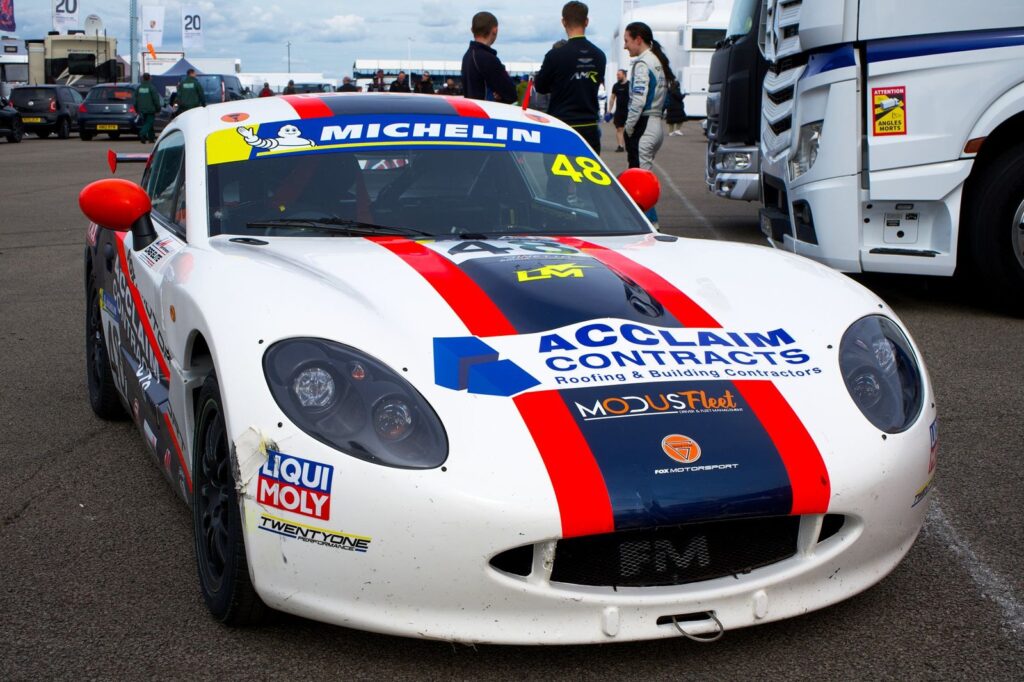
Silverstone is the spiritual home of British motorsport, and for many enthusiasts it sits at the top of the bucket list. The good news is you don’t need a race licence or a £200,000 supercar to drive it. Silverstone track days run throughout the season for both cars and bikes, on layouts ranging from the full Grand Prix circuit to the shorter Stowe and National configurations. This guide covers what you’ll pay, the noise rules, which layout suits you, and how to find an available date before it sells out.
Why Silverstone is worth doing
Silverstone is fast, flowing and genuinely demanding. The GP circuit runs to 5.891 km and features some of the most famous corners in the sport — Copse, the Maggotts–Becketts–Chapel complex, and the long Hangar Straight that lets you see real top-end speed. It’s wide, well-sighted and has generous run-off, which makes it forgiving for newcomers while still rewarding experienced drivers and riders who want to chase lap times.
Because the venue runs multiple circuits, you’ll see a range of track day formats advertised. Knowing the differences before you book saves money and matches the day to your experience.
The Silverstone layouts explained
- Grand Prix circuit — the full 5.891 km F1 layout. The premium experience, usually priced accordingly and often noise-restricted.
- National circuit — a 2.638 km loop using Copse, Maggotts, Becketts and the Brooklands–Luffield complex back to the start. A popular, cost-effective option with great corner variety.
- Stowe circuit — a compact 1.6 km circuit ideal for novices, taster sessions and car control work. Lower speeds, lower stress, lower price.
- International circuit — combines the Arena section with the Hangar Straight; a longer alternative to the National when available.
If it’s your first time on circuit, the Stowe or National layouts are sensible places to start. If you’ve a few days under your belt and want the full experience, the GP circuit is the one to target.
What do Silverstone track days cost?
Prices vary by operator, layout, season and how much track time is included. As a rough guide:
- Stowe / taster sessions: from around £99–£199.
- National circuit days: typically £179–£299.
- Grand Prix circuit days: £299–£599+, depending on whether it’s open pit lane, sessioned, or a premium evening event.
- Bike track days: broadly in line with car pricing, often run in novice/inter/fast groups.
Mid-week dates are almost always cheaper than weekends, and early-season slots tend to undercut summer ones. Because the same Silverstone date can appear with several organisers at different prices, it pays to compare before booking. You can browse and filter every listed date by price, layout and group format using TrackdayFinder, then click through to the organiser to secure your space.
Noise limits at Silverstone
Silverstone sits in a noise-sensitive location, so limits are taken seriously and enforced with static and drive-by testing. Limits vary by event and layout, but you’ll commonly see:
- Static test: often around 105 dB measured at 0.5 m and 4,500 rpm (or three-quarters of red line).
- Drive-by limits: typically in the 98–105 dB range depending on the day and circuit booked.
Fail the noise test and you won’t go out, so check the exact figure for your chosen date in advance. If your car or bike runs an aftermarket exhaust, a baffle or db-killer is a worthwhile investment. The headline number for each event is shown on the listing, which makes filtering for a day your vehicle can actually pass far quicker.
Choosing the right group: open pit lane vs sessioned
Two formats dominate:
- Open pit lane — you come and go as you please within the day’s hours. Maximum flexibility and ideal if you want to manage tyres, fuel and fatigue on your own terms.
- Sessioned (group) days — drivers or riders are split into novice, intermediate and fast groups, each getting timed sessions on rotation. Better for newcomers who want a calmer environment and clearer expectations.
Novices should look for sessioned days with novice-group instruction included or available. Many Silverstone events offer instructor sign-off, which is a fast route to building confidence on a big, quick circuit.
How to prepare
- Car/bike check: brakes, tyres, fluids and wheel torque. Brake fluid in good condition matters at a circuit with heavy braking zones.
- Kit: a helmet to the required standard (and leathers for bikes). Many operators hire helmets if you don’t own one.
- Tyres and fuel: bring tyre pressure tools and plan refuelling — Silverstone is thirsty work.
- Documents: driving licence and your booking confirmation. Read the operator’s regs before you arrive.
For circuit-specific notes, corner names and approach tips, our circuit guides are a useful read before your first visit.
Booking tips to save money and avoid sell-outs
Popular Silverstone GP dates sell out weeks ahead, especially in summer. A few practical pointers:
- Book early for GP-circuit dates and bank-holiday weekends.
- Go mid-week for the best prices and quieter track time.
- Set availability and price-drop alerts so you’re notified when a slot opens or a price falls.
- Compare organisers — the same layout and date can differ by £50 or more between operators.
If you’re travelling further afield later in the season, the same comparison approach works for European circuits too, from Spa-Francorchamps to the Nürburgring.
Related: if you’re interested in how cutting-edge motorsport components are made, our partners at GMR — Graham Martin Racing have an insightful read on the future of digital manufacturing.
Frequently asked questions
Do I need a racing licence for a Silverstone track day?
No. A standard road driving licence (or motorcycle licence for bike days) is all that’s required. These are non-competitive sessions with no timing for grid positions — just open lapping within the rules.
Can a standard road car do a track day at Silverstone?
Yes. Most standard road cars in good mechanical condition are fine, provided they pass the noise test and meet the operator’s safety regs. Check your brake fluid and tyres beforehand, and start on a sessioned novice day if it’s your first time.
How much do Silverstone track days cost?
Expect roughly £99–£199 for Stowe/taster days, £179–£299 for the National circuit, and £299–£599+ for the Grand Prix layout. Mid-week and early-season dates are typically the cheapest.
What is the noise limit at Silverstone?
Limits vary by event but commonly fall around 105 dB static and 98–105 dB drive-by. Always check the figure on your specific booking, as failing the test means you won’t be allowed on track.
Ready to go? Compare every available date, layout, price and noise limit in one place and book the Silverstone day that suits you — and remember to set an alert so you don’t miss a sell-out slot.
Related: Track Days UK: How to Find, Compare and Book the Right Event
Related: Car Track Days UK: A No-Nonsense Guide to Booking, Pricing and Circuits
Related: Bike Track Days UK: How to Find, Compare and Book Your Next Session
Leave a Reply