
Open Pitlane Track Days: How the Format Works and Who It Suits
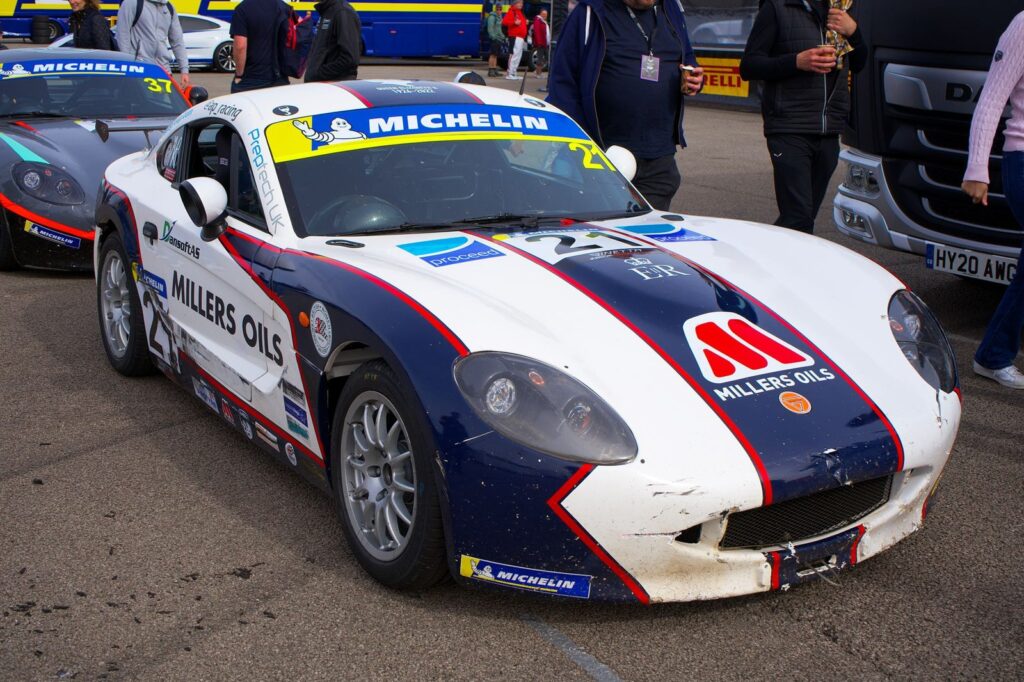
Open pitlane track days let you enter and leave the circuit whenever you like, for as long as the pitlane is green, throughout the entire session window. There are no set groups, no timed sessions and no waiting your turn — you run when you’re ready, come in when you want a break, and go back out again. For most experienced drivers and riders this is the most flexible, best-value format on offer, but it isn’t automatically the right choice for everyone.
Below is how the format actually works, how it compares to the alternatives, what it costs, and how to decide whether an open pitlane day suits you before you book.
What “open pitlane” actually means
On an open pitlane track day the circuit is available for the full running window — typically around 09:00 to 17:00 with a lunch break — and you decide when to be on it. The pit exit light is green whenever the track is live. You do your out-lap, run as many laps as you like, and peel into the pits when your tyres, brakes or concentration have had enough.
This is the key contrast with a sessioned day, where drivers are split into groups (often by experience or car speed) and each group rotates through 15–20 minute slots. On a sessioned day you might get six or seven runs across the day; on an open pitlane day your track time is limited only by your own stamina and your car’s mechanical patience.
Rule of thumb: open pitlane rewards drivers who can manage their own running. Sessioned days do the pacing for you.
Open pitlane vs sessioned track days
Neither format is objectively better — they suit different people and different goals. Here’s the honest comparison:
| Factor | Open pitlane | Sessioned |
|---|---|---|
| Track time | Unlimited within the window | Fixed slots (typically 6–8 x 15–20 min) |
| Traffic | Variable — depends who’s out | Grouped by pace, more predictable |
| Best for | Experienced drivers, self-paced running, data/coaching runs | Novices, mixed-ability groups, structured progression |
| Instruction | Sometimes optional/extra | Often included for novices |
| Pace mix | Fast and slow cars share the track | Cars grouped by speed |
| Value | Usually more track time per £ | More managed, less flexible |
The single biggest thing to weigh is traffic and closing speeds. On an open pitlane day a road-legal hot hatch can be sharing a corner with a slick-shod time-attack car or a superbike. Good organisers manage this well and most enthusiasts are courteous, but it demands better mirror awareness than a neatly grouped sessioned day.
Who open pitlane track days suit
- Experienced drivers and riders who are comfortable reading traffic, managing overtaking etiquette and pacing their own day.
- Anyone chasing lap time or working on a specific corner — you can go out for a focused three-lap run, come in, adjust tyre pressures, and go straight back out.
- Data and coaching sessions, where running back-to-back laps or repeating a section matters.
- Value hunters who want maximum track time per pound. If you can physically do the mileage, open pitlane is hard to beat.
Who should think twice
- Complete first-timers. A novice-friendly sessioned day with included tuition is a gentler introduction. You’ll learn the lines and flag procedures with less traffic pressure. Our car track days guide walks through what to expect on your first day.
- Anyone nervous about being overtaken by much faster machinery. Mixed pace is part of the open pitlane deal.
- Drivers on marginal brakes or tyres. The temptation to “just do a few more laps” wears consumables far faster than a sessioned day. Budget for it.
What open pitlane track days cost
Open pitlane days in the UK typically run from around £150 to £280 per car for a full day, depending on the circuit, the date and how premium the venue is. Midweek dates at less-glamorous circuits sit at the lower end; weekend days at Silverstone or Brands Hatch sit higher. Bike days are often a little cheaper per rider.
Because you get the whole day’s running rather than a handful of sessions, the cost per track-mile is usually lower than a sessioned day — provided you and your car can actually use the time. If you’ll be in the paddock resting for half the day, the value gap narrows.
Prices move constantly and popular open pitlane dates sell out early, so compare across organisers rather than booking the first one you see. You can filter and compare live dates on the UK track day calendar, and if budget is the priority, our guide to cheap track days without the catch explains where the real savings are. For the full breakdown on comparing like-for-like, see how to compare track day prices.
Noise limits still apply
Open pitlane doesn’t exempt you from the circuit’s noise limit — if anything, unlimited running means more chances to trip a static or drive-by test and pick up a black flag. Limits vary widely by venue, from strict 92–98 dB circuits to more relaxed 105 dB-plus days. Check the figure before you book, especially if your car has an aftermarket exhaust.
Our noise limit by circuit guide covers testing methods and how to avoid getting parked for the day. Circuit-specific pages like Snetterton and Donington Park list the exact limits for those venues.
How to run an open pitlane day well
- Arrive for the drivers’ briefing. It’s mandatory, and it covers the day’s flag and overtaking rules, which vary by organiser.
- Do short runs, not marathons. Three to five laps then a cool-down. It keeps you sharp, protects your brakes and lets you check tyre pressures.
- Manage overtaking properly. Most open pitlane days use “overtake on the driver’s indicated side, with a clear signal.” Learn the convention before you go out.
- Watch your mirrors constantly. Faster cars will catch you. Hold your line, let them by cleanly on the straights.
- Bring spares and fluids. More track time means more wear. A spare set of pads or an extra can of oil has saved plenty of days.
- Book early. The best open pitlane dates — dry-season weekends at marquee circuits — sell out weeks ahead.
Frequently asked questions
Are open pitlane track days good for beginners?
They can be, but a novice-friendly sessioned day with included instruction is usually a better first outing. Open pitlane means mixed pace and self-managed running, which is a lot to take on alongside learning the circuit. Once you’re confident reading traffic and holding your lines, open pitlane opens up far more track time.
How much track time do you actually get on an open pitlane day?
As much as you and your car can handle within the running window — typically six to seven hours of green track minus lunch. In practice most drivers manage far more laps than they would on a sessioned day, limited by tyres, brakes and concentration rather than the clock.
Are open pitlane days cheaper than sessioned days?
The headline price is broadly similar (£150–£280 for a UK car day), but because you get the full day’s running, the cost per mile on track is usually lower — if you use the time. Compare live dates before booking, as prices swing with demand and season.
Can bikes and cars share an open pitlane day?
Almost always they run on separate days. Car track days and bike track days are booked and organised separately, each with their own dates and noise limits. Check the listing carefully so you book the right one.
Related: if you run an aftermarket intake or are chasing more power for your track car, velocity stacks in carbon fibre and bespoke carbon engine parts (@ GMR) cover what actually survives under the bonnet.
The bottom line
Open pitlane track days are the best-value, most flexible format for anyone who can manage their own running and read traffic confidently. If that’s you, you’ll struggle to beat the track time per pound. If you’re new, start sessioned, build confidence, then graduate to open pitlane. Either way, compare dates, prices and noise limits across organisers on Trackday Finder before you commit — and book early, because the good ones go fast.
Leave a Reply